
Fruits Basket (2019): A Faithful and Emotional Adaptation

nordic-circus.org – Fruits Basket (2019) is a complete anime adaptation of Natsuki Takaya’s beloved manga series, Fruits Basket. Unlike the 2001 adaptation, which only covered a portion of the story, this version aims to faithfully adapt the entire manga from beginning to end, providing a more comprehensive and emotionally resonant experience for fans.   

The Story of Tohru Honda and the Sohma Family

The story follows Tohru Honda, an orphaned high school student who, through a series of circumstances, begins living with the Sohma family. She soon discovers that the Sohmas are afflicted by a curse: when embraced by a member of the opposite sex, they transform into animals of the Chinese Zodiac.   

A Deeper Dive into the Sohma Curse and its Impact

Fruits Basket (2019) delves much deeper into the intricacies of the Sohma curse and its profound impact on each family member. It explores the emotional trauma, family dysfunction, and deep-seated secrets that lie beneath the surface of their seemingly normal lives. This adaptation allows for a more nuanced portrayal of each character and their individual struggles.

Character Development and Emotional Resonance

One of the greatest strengths of Fruits Basket (2019) is its focus on character development. Each character, from the main trio of Tohru, Yuki, and Kyo to the extended Sohma family members, is given ample screen time to explore their backstories, motivations, and personal growth. This allows viewers to connect with them on a deeper emotional level and truly understand their struggles.

A Faithful Adaptation with Updated Animation

The 2019 adaptation is remarkably faithful to the source material, staying true to the manga’s plot, dialogue, and character designs. However, it also benefits from updated animation and visual presentation, bringing the story to life with vibrant colors, expressive character animation, and a more modern aesthetic.

Exploring Themes of Trauma, Healing, and Acceptance

Fruits Basket (2019) tackles complex themes of trauma, healing, acceptance, and the importance of human connection. It explores the lasting effects of abuse, neglect, and emotional baggage, while also offering a message of hope and the possibility of finding healing and happiness.   

A Must-Watch for Fans and Newcomers Alike

Whether you’re a long-time fan of the original manga or new to the world of Fruits Basket, the 2019 adaptation is a must-watch. It offers a complete and emotionally powerful retelling of a timeless story, with beautiful animation, compelling characters, and a message of hope and healing that resonates deeply.
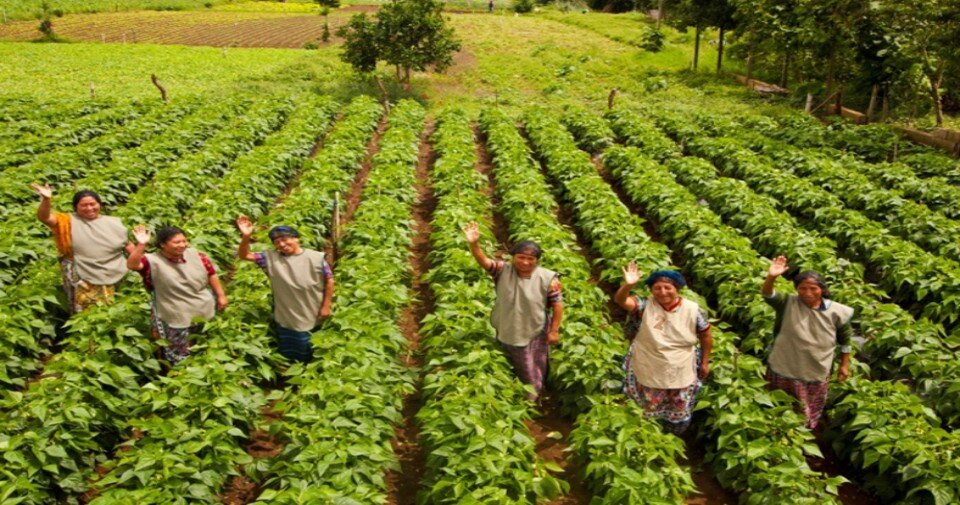
Adaptation and Innovation: Venezuela’s Agricultural Sector

nordic-circus.org – The agricultural sector in Venezuela has historically played a crucial role in the country’s economy, providing essential food supplies and employment. However, the sector has faced numerous challenges in recent years, including economic instability, political turmoil, and environmental changes. Despite these obstacles, the Venezuelan agricultural sector has shown remarkable resilience, adapting to changing circumstances and embracing innovation to ensure food security and sustainability.

Challenges in Venezuela’s Agricultural Sector

  1. Economic Constraints: The economic crisis has led to a significant reduction in public investment in agriculture, affecting the availability of inputs such as seeds, fertilizers, and machinery.
  2. Political Instability: Political turmoil has disrupted the agricultural sector, with frequent changes in government policies and regulations impacting farmers’ operations.
  3. Environmental Changes: Climate change has brought about unpredictable weather patterns, including droughts and floods, which have affected crop yields and livestock health.
  4. Technology and Infrastructure: The sector has struggled with outdated technology and inadequate infrastructure, limiting the efficiency and productivity of agricultural practices.

Adaptation Strategies

  1. Sustainable Farming Practices: Farmers have begun adopting sustainable farming practices, such as agroecology and organic farming, to reduce their reliance on chemical inputs and improve soil health.
  2. Diversification of Crops: There is a growing trend towards crop diversification, with farmers planting a variety of crops to mitigate the risks associated with climate variability and market fluctuations.
  3. Use of Renewable Energy: The adoption of renewable energy sources, such as solar and wind power, is increasing, providing farmers with more reliable and cost-effective energy solutions.
  4. Community-Based Initiatives: Community-based initiatives and cooperatives have emerged, fostering collaboration among farmers and providing support through shared resources and knowledge exchange.

Innovation in Agriculture

  1. Agricultural Technology (AgTech): There is a growing interest in AgTech, with startups and research institutions developing innovative solutions such as precision agriculture tools, mobile apps for farmers, and biotechnology applications.
  2. Urban Agriculture: Urban agriculture, including rooftop gardens and vertical farming, is gaining popularity in cities, providing fresh produce and creating employment opportunities.
  3. Aquaponics and Hydroponics: Systems like aquaponics and hydroponics are being explored as efficient ways to produce food in a limited space, using fewer resources than traditional farming methods.
  4. Research and Development: Investments in agricultural research and development are focusing on developing drought-resistant crops, improving livestock breeds, and enhancing post-harvest technologies to reduce food loss.

Conclusion

The agricultural sector in Venezuela is at a critical juncture, facing significant challenges but also opportunities for growth and innovation. By embracing sustainable practices, leveraging technology, and fostering collaboration, the sector can adapt to changing conditions and contribute to the country’s food security and economic stability. The path forward requires continued investment, policy support, and the engagement of all stakeholders to ensure that the agricultural sector can thrive and meet the needs of Venezuela’s population.