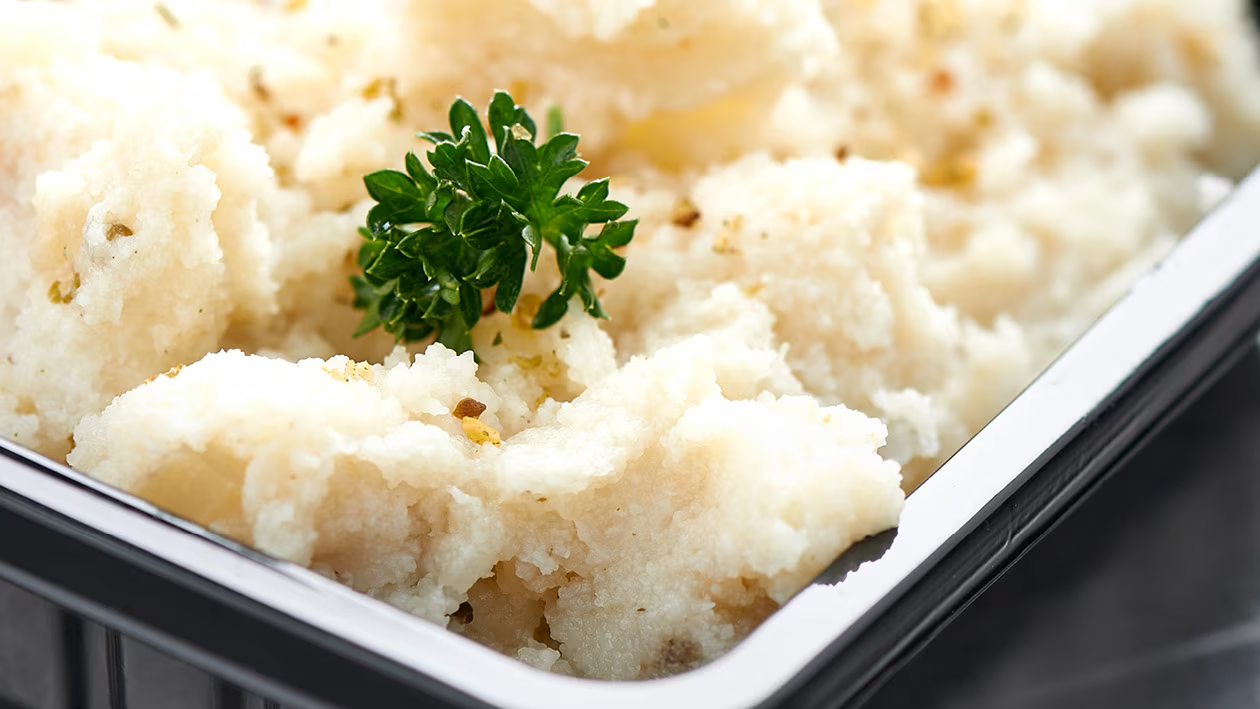
Pap: A Versatile Porridge at the Heart of Southern African Cuisine

nordic-circus.org – Pap, a simple yet deeply ingrained staple food in Southern Africa, is a porridge made from maize meal (ground corn). Similar to grits in the American South, pap boasts a remarkable versatility, adapting seamlessly to various meals and culinary traditions across countries like South Africa, Namibia, Botswana, and Lesotho. From a humble breakfast to a substantial side dish, pap holds a significant place in the region’s food culture.   

Origins and Cultural Significance

The origins of pap are intertwined with the introduction of maize to Southern Africa. Maize, originating in Mesoamerica, arrived on the continent centuries ago and quickly became a staple crop due to its adaptability and high yields. As maize cultivation spread, pap emerged as a simple and effective way to utilize this abundant grain.   

Pap’s cultural significance extends beyond its nutritional value. It is a food of the people, enjoyed across various socioeconomic groups and playing a role in both everyday meals and special occasions. It is often associated with communal eating, fostering a sense of togetherness and shared experience. In some cultures, pap is even used in traditional ceremonies and rituals. Its simplicity and affordability have made it a cornerstone of Southern African cuisine, contributing to its enduring popularity.   

Preparing Pap: A Spectrum of Textures

One of pap’s defining characteristics is its versatility in texture. It can range from a thin, runny porridge to a thick, stiff consistency, each variation serving a different culinary purpose.   

  1. Soft Pap (Slap Pap/Stywe Pap): This is the runnier version, often enjoyed for breakfast. It is prepared by adding maize meal to boiling water and cooking until it reaches a smooth, porridge-like consistency. The ratio of maize meal to water determines the final thickness.   

  2. Medium Pap (Mieliepap/Putu Pap): This is a slightly thicker consistency, suitable for accompanying stews and relishes. It is prepared similarly to soft pap but with a higher ratio of maize meal to water, resulting in a thicker, more substantial porridge.

  3. Stiff Pap (Stywe Pap/Phutu): This is the thickest version, often served as a side dish or even grilled. It requires a higher proportion of maize meal and is cooked until it becomes very firm and almost dough-like.   

General Preparation Steps:

  • Boiling the Water: Water is brought to a rolling boil in a heavy-bottomed pot.
  • Adding the Maize Meal: The maize meal is gradually added to the boiling water while stirring continuously with a whisk or wooden spoon to prevent lumps from forming.   
  • Cooking and Stirring: The mixture is cooked over medium to low heat, stirring regularly until it reaches the desired consistency. The cooking time varies depending on the desired thickness.   
  • Seasoning: Pap is often seasoned with salt during cooking. Some people also add butter or milk for extra richness.

Serving and Accompaniments

Pap’s versatility extends to its pairings. It can be enjoyed with a wide range of accompaniments, making it suitable for breakfast, lunch, or dinner.

  • Breakfast: Soft pap is often enjoyed with milk, sugar, butter, or jam.
  • Lunch and Dinner: Medium and stiff pap are typically served with savory accompaniments, such as:
    • Chakalaka: A spicy vegetable relish made with beans, onions, tomatoes, and spices.   
    • Sheba (Tomato and Onion Gravy): A simple but flavorful gravy made with tomatoes, onions, and spices.   
    • Meat Stews: Various meat stews, such as beef, chicken, or mutton stew.   
    • Braai (Barbecue): Pap is a popular accompaniment to braai, often served with grilled meat and salads.   
    • Boerewors: A traditional South African sausage.   

Nutritional Value and Health Considerations

Pap is a good source of carbohydrates, providing energy. It also contains some fiber, particularly if whole grain maize meal is used. However, it is relatively low in other essential nutrients. Therefore, it’s important to consume pap as part of a balanced diet that includes a variety of other foods, such as vegetables, fruits, and protein sources.   

The type of maize meal used can also impact the nutritional value. Whole grain maize meal is higher in fiber and other nutrients compared to refined maize meal.   

Regional Variations and Terminology

While the basic concept of pap remains consistent across Southern Africa, there are some regional variations in terminology and preparation methods.

  • In South Africa, it is commonly known as pap or mieliepap.   
  • In other regions, it may be referred to by different names, such as phutu or uphuthu.
  • Different regions may also have their own unique variations on accompaniments and serving styles.

Pap’s Enduring Appeal

Pap’s enduring popularity in Southern Africa speaks to its versatility, affordability, and cultural significance. It is a food that transcends social boundaries, enjoyed by people from all walks of life. From a simple breakfast to a hearty meal, pap continues to be a staple food, representing the heart of Southern African cuisine and connecting generations through shared culinary traditions.

Paprike Punjene: A Flavorful Feast from the Balkans

nordic-circus.org – Paprike Punjene, or stuffed peppers, is a beloved dish in the Balkan region, particularly in countries like Serbia, Croatia, and Bosnia and Herzegovina. This hearty and flavorful dish is a testament to the region’s rich culinary heritage.

A Versatile Dish

The beauty of Paprike Punjene lies in its versatility. While the traditional filling often consists of ground meat, rice, and a blend of spices, there are countless variations to suit different tastes and dietary preferences. Some popular fillings include:

  • Classic Meat Filling: A combination of ground beef or pork, rice, onions, and a blend of paprika, black pepper, and other spices.
  • Vegetarian Filling: A mixture of rice, vegetables like mushrooms, bell peppers, and carrots, seasoned with herbs and spices.
  • Cheese Filling: A creamy blend of cheese, such as feta or mozzarella, mixed with eggs and herbs.

A Step-by-Step Guide

To prepare Paprike Punjene, large, bell peppers are carefully cleaned and seeded. The peppers are then filled with the chosen filling and arranged in a pot. The pot is filled with water or a mixture of water and tomato sauce, and the peppers are simmered until tender.

A Flavorful Experience

Paprike Punjene is a comforting and satisfying dish that can be enjoyed on its own or served with a side of mashed potatoes or rice. It is often accompanied by a dollop of sour cream or yogurt, which helps to balance the rich flavors of the filling.

The Golden Citrus: A Comprehensive Look at Oranges

nordic-circus.org – Oranges, with their vibrant color and refreshing taste, have been cherished for centuries. These citrus fruits are not only delicious but also packed with essential vitamins and minerals. From the juicy navel orange to the tangy blood orange, there is an orange variety to suit every palate.

A Brief History

The exact origins of oranges are uncertain, but they are believed to have originated in Southeast Asia. Ancient Chinese texts mention oranges as early as the 3rd century BC. From China, oranges spread to India and the Middle East, and eventually to Europe and the Americas. The Spanish brought oranges to Florida in the 16th century, and the fruit has since become a staple crop in many parts of the world.

Types of Oranges

There are numerous varieties of oranges, each with its own unique characteristics. Some of the most popular types include:

  • Navel Oranges: Seedless and sweet, navel oranges are one of the most commonly consumed varieties.
  • Valencia Oranges: Juicy and flavorful, Valencia oranges are primarily used for juice production.
  • Blood Oranges: Known for their deep red flesh and tangy flavor, blood oranges are a popular winter fruit.
  • Cara Cara Oranges: A hybrid of navel and blood oranges, Cara Cara oranges have a sweet, slightly tart flavor and a distinctive reddish-orange flesh.

Nutritional Benefits

Oranges are a nutritional powerhouse, offering a range of health benefits:

  • Vitamin C: Oranges are an excellent source of vitamin C, which is essential for immune function and skin health.
  • Antioxidants: The antioxidants in oranges help protect cells from damage caused by free radicals.
  • Fiber: Oranges are a good source of fiber, which promotes digestive health and helps regulate blood sugar levels.
  • Potassium: Potassium is essential for maintaining healthy blood pressure.
  • Folate: Folate is important for cell growth and development, particularly during pregnancy.

Culinary Uses

Oranges are a versatile fruit that can be enjoyed in a variety of ways:

  • Fresh: Oranges can be eaten fresh, peeled, or segmented.
  • Juiced: Orange juice is a popular beverage, often enjoyed on its own or mixed with other juices.
  • Marmalade: Orange marmalade is a delicious spread made from oranges, sugar, and pectin.
  • Zest: Orange zest adds a bright, citrusy flavor to baked goods, sauces, and marinades.
  • Candied Peel: Candied orange peel is a sweet and tangy treat that can be used to decorate cakes and other desserts.

Selecting and Storing Oranges

When selecting oranges, choose fruits that are heavy for their size and have a bright, vibrant color. Avoid oranges with blemishes or soft spots. Store oranges in a cool, dry place, away from direct sunlight.

Conclusion

Oranges, with their refreshing taste, vibrant color, and numerous health benefits, are a delightful addition to any diet. Whether you enjoy them fresh, juiced, or in various culinary preparations, oranges are sure to brighten your day.

Patbingsu: The Quintessential Korean Shaved Ice Delight

nordic-circus.org – Patbingsu, a beloved Korean dessert, is a refreshing symphony of flavors and textures, perfect for beating the summer heat. This delightful treat consists of finely shaved ice topped with a variety of sweet ingredients, making it a favorite among those with a sweet tooth. This article delves into the history, ingredients, and cultural significance of Patbingsu.

A Brief History and Cultural Significance

Patbingsu has a rich history that dates back to the Joseon Dynasty when it was initially enjoyed by the royal family. The original version was relatively simple, featuring shaved ice topped with red bean paste. Over time, it has evolved into a popular dessert enjoyed by people of all ages across Korea, particularly during the hot summer months.

The dessert has also become a social staple, often shared among friends and family in cafes and restaurants. Its popularity has surged beyond Korea, with various adaptations appearing in dessert menus worldwide, showcasing its universal appeal.

Ingredients and Preparation

The beauty of Patbingsu lies in its versatility. While the classic version includes shaved ice and sweet red bean paste (pat), modern variations incorporate a wide array of toppings, allowing for endless customization.

Essential Ingredients

  1. Shaved Ice: The base of Patbingsu is finely shaved ice, which provides a refreshing and light texture that melts in the mouth.
  2. Sweet Red Bean Paste (Pat): Traditionally, sweetened red beans are simmered until soft and used as a primary topping.
  3. Condensed Milk: Drizzled over the ice, condensed milk adds a creamy sweetness that enhances the overall flavor.

Popular Toppings

  • Fruits: Fresh fruits like strawberries, mangoes, and kiwis add a vibrant and juicy element to the dessert.
  • Rice Cakes (Tteok): Chewy rice cakes offer a delightful contrast to the smooth ice.
  • Ice Cream or Frozen Yogurt: A scoop of ice cream or yogurt adds richness and creaminess.
  • Nuts and Cereals: Almonds, walnuts, or granola provide a crunchy texture.

Preparation Steps

  1. Shaving the Ice: Use an ice shaver to create a mound of fine, fluffy ice in a bowl.
  2. Adding the Toppings: Generously spoon the sweet red bean paste over the ice. Add your choice of fruits, rice cakes, and nuts.
  3. Finishing Touches: Drizzle condensed milk on top, and if desired, crown it with a scoop of ice cream. Serve immediately for the best experience.

Conclusion

Patbingsu is more than just a dessert; it’s a cultural experience that brings people together. Its ability to be customized to suit individual tastes and its refreshing nature make it a beloved treat during the scorching summer months. Whether you choose to enjoy the traditional version or experiment with innovative toppings, Patbingsu offers a delightful escape into the world of Korean culinary delights.

Kerak Telor: Jakarta’s Iconic Spicy Omelette

nordic-circus.org – Kerak Telor is a traditional Betawi dish that has become synonymous with Jakarta’s vibrant street food culture. This savory and spicy omelette is a culinary gem, offering a unique taste of Indonesia’s capital city. In this article, we will explore the history, ingredients, preparation, and cultural significance of Kerak Telor, highlighting why it remains a beloved street food staple.

Origins and History

Kerak Telor traces its roots back to the Betawi people, the indigenous inhabitants of Jakarta. The dish has been a part of Jakarta’s culinary landscape since the 17th century, during the colonial era. It was created as a simple yet hearty meal for the working class, using readily available ingredients. Over the years, Kerak Telor has evolved into a popular street food, often featured in cultural festivals and events in Jakarta.

Ingredients and Preparation

The main ingredients of Kerak Telor include glutinous rice, eggs (either duck or chicken), and a flavorful blend of spices. The dish is traditionally cooked over a charcoal fire, which imparts a distinct smoky flavor that is characteristic of this omelette.

To prepare Kerak Telor, a layer of cooked glutinous rice is spread over a small frying pan. An egg is cracked over the rice and mixed with a spice paste made from shallots, garlic, red chilies, and shrimp paste. The mixture is then cooked until the egg is set and the edges are crispy. Finally, the omelette is topped with serundeng (toasted grated coconut), fried shallots, and dried shrimp, adding texture and depth of flavor.

Variations

While the classic Kerak Telor recipe is widely favored, variations exist based on personal preferences and regional influences. Some cooks may add additional ingredients like ground peanuts or sweet soy sauce to enhance the flavor. However, the traditional preparation method and core ingredients remain largely unchanged, preserving the authenticity of the dish.

Cultural Significance

Kerak Telor is more than just a delicious snack; it is a symbol of Jakarta’s rich cultural heritage. The dish is often associated with the annual Jakarta Fair, where vendors showcase their culinary skills and offer this iconic omelette to locals and tourists alike. It represents the resilience and creativity of the Betawi people, who have maintained their culinary traditions amidst the city’s rapid modernization.

Conclusion

Kerak Telor is a must-try dish for anyone exploring Jakarta’s street food scene. Its unique combination of flavors and textures offers a delightful taste of Betawi culture, making it a cherished part of Jakarta’s culinary identity. Whether enjoyed at a bustling night market or a cultural festival, Kerak Telor provides a memorable and authentic experience that captures the essence of traditional Indonesian cuisine.

Mexican Street Food: A Journey Through Tacos and Tostadas

nordic-circus.org – Mexican street food is a vibrant tapestry of flavors, colors, and traditions that has captivated the palates of food enthusiasts around the world. Among the myriad of offerings, tacos and tostadas stand out as quintessential examples of this culinary art form. These simple yet profound dishes are not just about the food; they are about the experience, the culture, and the people behind them.

The Humble Taco: A Versatile Canvas

The taco is perhaps the most iconic representation of Mexican street food. Its simplicity belies its versatility. A taco consists of a small hand-sized corn or wheat tortilla, topped with a filling. This filling can range from grilled meats like carne asada or al pastor to vegetarian options like nopales (cactus paddles) or mushrooms. The beauty of the taco lies in its ability to showcase a variety of ingredients, allowing for endless combinations and interpretations.

The Art of the Fillings

The fillings are where the magic happens. Each region in Mexico has its own specialty, from the citrus-marinated pork of Yucatán’s cochinita pibil to the spicy chorizo of Oaxaca. The key to a great taco is the balance of flavors and textures. The meat should be tender, the vegetables fresh, and the seasoning spot-on.

The Role of Toppings

No taco is complete without its toppings. Cilantro, onions, and lime wedges are the classic accompaniments, but the options are as diverse as the fillings themselves. Salsas, ranging from mild and fruity to fiery and smoky, add another layer of flavor. Cheese, avocado, and radishes are also popular, each bringing their own unique taste and texture to the mix.

Tostadas: A Crunchy Counterpart

Tostadas are another cornerstone of Mexican street food. They are essentially open-faced tacos, with a crispy, flat fried tortilla base that serves as a sturdy platform for a variety of toppings. The tortilla is usually fried until it is stiff and golden, providing a satisfying crunch with every bite.

The Versatility of Tostadas

Like tacos, tostadas can be topped with an array of ingredients. Ceviche, a marinated seafood dish, is a popular choice, as are beans, lettuce, and crema for a vegetarian option. The toppings are often layered, with a base of refried beans or guacamole, followed by the main ingredient, and finished with garnishes like cheese, sour cream, and salsa.

Regional Variations

Tostadas, like tacos, have regional variations. In Baja California, for example, fish tostadas are a staple, featuring fresh fish marinated in lime juice and spices, topped with cabbage, pico de gallo, and a creamy sauce. In other parts of Mexico, you might find tostadas topped with chicken, beef, or even insects like chapulines (grasshoppers) in Oaxaca.

The Cultural Significance of Tacos and Tostadas

Beyond their deliciousness, tacos and tostadas are deeply embedded in Mexican culture. They are a symbol of street-level entrepreneurship, with vendors often passing down their recipes and techniques through generations. These dishes also bring people together, whether it’s friends gathering at a taquería or families celebrating with a homemade tostada bar.

Conclusion

Mexican street food, with its emphasis on tacos and tostadas, is more than just a meal; it’s a cultural experience. It’s a testament to the creativity and resourcefulness of the Mexican people, who have turned simple ingredients into a global culinary phenomenon. Whether you’re sampling tacos al pastor in Mexico City or creating your own tostada bar at home, you’re participating in a rich tradition that continues to evolve and inspire.

Celebrating Royal Ascensions: The Coronation of Cuisine

nordic-circus.org – Throughout history, the ascension of a monarch has been marked by grand ceremonies, lavish celebrations, and, notably, the creation of sumptuous feasts that reflect the wealth, power, and cultural heritage of the realm. These coronation banquets, often the pinnacle of culinary artistry and innovation of their time, have left a lasting legacy on the world’s gastronomic landscape. This article delves into the rich tradition of coronation cuisine, exploring how these royal feasts have shaped and celebrated the culinary heritage of nations.

A Glimpse into the Past: Historical Coronation Feasts

The tradition of coronation feasts dates back centuries, with each era and region imbuing these banquets with its unique flavors and customs. From the opulent Roman banquets to the medieval feasts of Europe, these events were not just about the food but also about the spectacle. The dishes served were often elaborate, designed to impress and awe, incorporating exotic ingredients from far-flung lands, intricate presentations, and even elements of performance.

One of the most famous coronation banquets in history was that of King George IV of the United Kingdom in 1821. The event, known for its extravagance, featured a menu that included over 100 dishes, each more sumptuous than the last. The banquet was a testament to the culinary prowess of the time and showcased the British Empire’s reach, with ingredients sourced from across its territories.

The Art of Coronation Cuisine

Coronation cuisine is not just about the grandeur; it’s also about the craftsmanship and creativity that goes into creating these feasts. Chefs tasked with preparing coronation banquets have often been given the opportunity to experiment and innovate, leading to the development of new dishes and culinary techniques.

One such example is the creation of Coronation Chicken, a dish invented for the coronation of Queen Elizabeth II in 1953. This cold chicken dish, combining cream, curry powder, and apricot preserves, was a hit and has since become a staple at British gatherings. It’s a prime example of how coronation cuisine can influence everyday dining.

Celebrating Cultural Heritage

Perhaps the most significant aspect of coronation feasts is their role in celebrating and preserving cultural heritage. Each dish served at a coronation banquet tells a story, reflecting the history, traditions, and values of the nation. From the use of indigenous ingredients to the presentation of dishes that have been passed down through generations, coronation cuisine is a celebration of a country’s culinary identity.

In many cultures, coronation feasts also serve as a platform for showcasing the fusion of different culinary traditions, especially in nations with a history of colonization or migration. This blending of flavors and techniques not only enriches the national cuisine but also symbolizes unity and diversity.

The Legacy of Coronation Cuisine

While the grandeur of coronation banquets may seem a world away from our daily lives, their influence can still be felt in the dishes we enjoy today. Many recipes that originated from these royal feasts have been adapted and popularized, becoming part of the culinary repertoire of their respective countries.

Moreover, the spirit of innovation and celebration that defines coronation cuisine continues to inspire chefs and food enthusiasts around the world. In an era where food has become a universal language, the tradition of coronation feasts reminds us of the power of cuisine to bring people together, celebrate heritage, and foster a sense of community.

In conclusion, the coronation of cuisine is more than just a celebration of royal ascensions; it’s a testament to the enduring legacy of culinary artistry and innovation. Through these feasts, we can explore the rich tapestry of global gastronomy, appreciating the stories, traditions, and flavors that make each culture unique.

Psychology of snacks: Understanding our relationship with snacks

Snacking has become an integral part of our daily lives, transcending mere hunger pangs to encompass a complex web of emotions, habits, and psychological triggers. This article delves into the psychology of snacking, exploring the reasons behind our cravings, the emotional connections we form with snacks, and the impact of snacking on our overall well-being.

The Evolution of Snacking

Historically, snacking was a means to tide over the gap between meals. However, the modern concept of snacking is vastly different. With the advent of processed foods and the 24/7 availability of snacks, snacking has evolved into a multibillion-dollar industry, influencing our eating habits and lifestyle choices.

Psychological Triggers of Snacking

Emotional Eating

One of the most significant psychological triggers for snacking is emotions. Many people turn to snacks as a way to cope with stress, boredom, sadness, or even happiness. This phenomenon, known as emotional eating, can lead to overeating and the consumption of high-calorie, low-nutrition foods.

Habitual Snacking

Habit also plays a crucial role in our snacking behavior. Whether it’s reaching for a snack during TV commercial breaks or grabbing a bag of chips out of habit when we get home from work, these routines can become deeply ingrained, often happening without much conscious thought.

Social Influence

Social settings and peer influence can also trigger snacking. Being around others who are eating or being offered food in social situations can lead to snacking, even when we’re not physically hungry.

The Emotional Connection with Snacks

Snacks are not just food; they are often associated with memories, comfort, and pleasure. Certain snacks can evoke nostalgia, reminding us of childhood or special occasions. This emotional connection can make it challenging to resist certain foods, even when we’re trying to eat healthily.

The Impact of Snacking on Well-being

Health Implications

Regular snacking, especially on unhealthy foods, can have significant health implications. It can lead to weight gain, increased risk of chronic diseases, and nutritional deficiencies if it displaces more nutritious meals.

Psychological Effects

On the psychological front, snacking can have both positive and negative effects. While it can provide temporary comfort and pleasure, relying on food to manage emotions can lead to a cycle of guilt, shame, and further emotional eating.

Strategies for Mindful Snacking

To develop a healthier relationship with snacking, consider the following strategies:

  • Mindful Eating: Pay attention to what you eat, savor each bite, and listen to your body’s hunger and fullness cues.
  • Healthy Options: Keep healthy snacks readily available to make them the easier choice when hunger strikes.
  • Emotional Awareness: Find alternative ways to cope with emotions, such as exercise, journaling, or talking to a friend.
  • Routine Adjustment: Break the cycle of habitual snacking by changing your routines or finding new activities to replace snacking.

Conclusion

The psychology of snacking is a complex interplay of habits, emotions, and social influences. By understanding the reasons behind our snacking behaviors and the emotional connections we form with snacks, we can make more mindful choices about our eating habits. Embracing mindful snacking and finding healthier ways to cope with emotions can lead to improved physical and psychological well-being, helping us enjoy snacks in a balanced and positive way.

The Risky and Pricey Delicacy of Japan: Fugu

Fugu, the Japanese pufferfish, is a culinary experience that embodies the essence of Japanese cuisine: precision, tradition, and a deep respect for nature. However, this delicacy is not for the faint-hearted. It is a dish that balances on the knife-edge of risk and reward, where the line between a sublime taste sensation and potential peril is razor-thin.

The allure of fugu lies in its delicate flavor and unique texture, which can be found in various preparations, from sashimi to hot pot. Yet, it is the fish’s deadly poison, tetrodotoxin, that makes it one of the world’s most notorious delicacies. This toxin, which is found in the fish’s organs, is 1,200 times more poisonous than cyanide and can be lethal if ingested. Therein lies the risk: a single mistake in preparation can be fatal.

The preparation of fugu is a meticulous process that requires years of training. Chefs must undergo rigorous apprenticeships and pass a series of exams to earn a fugu-preparation license. This certification ensures that they have mastered the art of removing the toxic parts of the fish without tainting the edible flesh. Despite these precautions, accidents do happen, and there have been cases of poisoning, though they are rare.

The price of fugu reflects its status as a luxury item and the expertise required to prepare it safely. A meal can cost hundreds of dollars, with the cost varying depending on the season, the part of the fish served, and the restaurant’s prestige. The most prized part of the fugu is its liver, which was banned for consumption in Japan in 1984 due to its high toxicity. However, some restaurants still serve it illegally, adding an element of danger for those willing to take the risk.

Fugu’s popularity has grown beyond Japan, with sushi lovers around the world seeking out the experience. Yet, it remains a controversial dish, with debates over whether the thrill of eating something so dangerous is worth the potential consequences. For many, the thrill is part of the appeal, a chance to flirt with danger in a controlled environment.

The cultural significance of fugu extends beyond its status as a delicacy. It is a symbol of Japanese culinary tradition and the country’s relationship with the sea. Fugu has been a part of Japanese cuisine for centuries, with records dating back to the 16th century. Despite its risks, fugu has been embraced as a national treasure, a testament to the skill of Japanese chefs and the adventurous spirit of those who dare to eat it.

In conclusion, fugu is more than just a meal; it is an experience that encapsulates the complexities of Japanese culture. It is a reminder of the fine line between life and death, and the lengths to which humans will go to satisfy their curiosity and their palates. For those who choose to partake, fugu offers a taste of the sublime, a brush with danger, and a story to tell. For Japan, it is a culinary tradition that continues to thrive, a testament to the country’s deep connection with its culinary heritage.