Robert Downey Jr.: From Iron Man to Icon

nordic-circus.org – Robert Downey Jr. is a name synonymous with transformation and resilience. Known for his charismatic performances and remarkable personal journey, Downey has become an icon in the entertainment industry. His role as Iron Man in the Marvel Cinematic Universe (MCU) not only revitalized his career but also established him as a beloved figure worldwide. Beyond his superhero persona, Downey’s diverse body of work and personal comeback story exemplify his enduring influence in Hollywood.

Early Career and Challenges

Robert Downey Jr. began his acting career at a young age, appearing in films such as “Less Than Zero” and “Chaplin,” the latter earning him an Academy Award nomination for Best Actor. Despite his early successes, Downey faced significant personal challenges, including struggles with substance abuse, which led to legal issues and a temporary decline in his career.

The Comeback: Iron Man and the MCU

Downey’s career took a transformative turn with his casting as Tony Stark, also known as Iron Man, in the 2008 film directed by Jon Favreau. This role marked the beginning of the MCU and was pivotal in establishing the franchise’s success. Downey’s portrayal of the genius, billionaire, playboy, and philanthropist was praised for its wit, charm, and depth, making Tony Stark a fan favorite.

His performance not only reinvigorated his career but also set the tone for the interconnected world of Marvel films. Downey’s involvement in the MCU spanned over a decade, with appearances in multiple films, including “The Avengers,” “Iron Man” sequels, and “Avengers: Endgame.” His portrayal of Iron Man became iconic, and he was instrumental in shaping the superhero genre in cinema.

Versatility and Other Roles

While Downey is best known for his role as Iron Man, his career includes a wide range of performances that highlight his versatility as an actor. Films such as “Sherlock Holmes,” where he played the titular detective, showcased his ability to bring classic characters to life with a unique flair. His role in “Tropic Thunder” earned him another Academy Award nomination, demonstrating his comedic talent and willingness to take creative risks.

Downey’s filmography also includes critically acclaimed roles in movies like “Zodiac” and “The Soloist,” further cementing his reputation as a multifaceted actor capable of tackling complex and varied characters.

Personal Growth and Legacy

Robert Downey Jr.’s journey is not just about professional success; it is a story of personal redemption and growth. His openness about his past struggles and subsequent recovery has made him an inspiring figure for many. Downey’s resilience and ability to overcome adversity have resonated with fans and industry peers, contributing to his enduring legacy.

In addition to his acting career, Downey has ventured into producing, with projects like the HBO series “Perry Mason” and the documentary “Sr.” about his father, showcasing his commitment to storytelling beyond the screen.

Conclusion

Robert Downey Jr.’s transformation from troubled actor to Hollywood icon is nothing short of remarkable. His portrayal of Iron Man has left an indelible mark on popular culture, while his diverse roles and personal journey continue to inspire audiences worldwide. As he explores new ventures and challenges, Downey’s legacy as a versatile actor and resilient individual remains firmly established in the annals of film history.
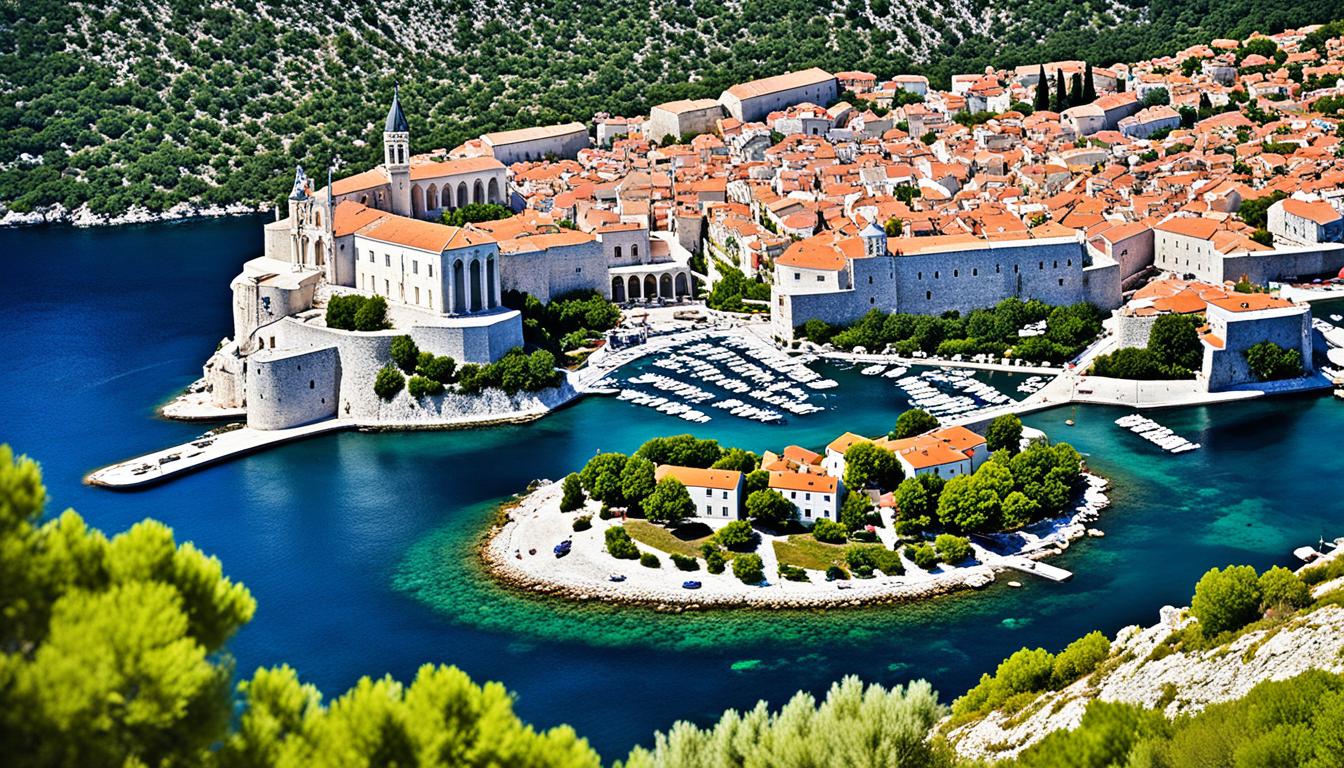
Conservation Efforts and Croatia’s Environmental Challenges

nordic-circus.org – Croatia, with its stunning coastline, lush forests, and diverse wildlife, is a country rich in natural beauty. However, like many nations, it faces a range of environmental challenges that threaten its ecosystems and biodiversity. From climate change to pollution, these issues require concerted conservation efforts to protect the country’s natural heritage. This article explores the key environmental challenges facing Croatia and the conservation efforts being undertaken to address them.

Environmental Challenges

Climate Change

One of the most pressing environmental issues facing Croatia is climate change. Rising temperatures, changing precipitation patterns, and an increased frequency of extreme weather events are impacting the country’s ecosystems. The Adriatic Sea, for example, is experiencing rising sea levels and increased water temperatures, which threaten marine life and coastal habitats.

Pollution

Pollution is another significant challenge, particularly in coastal areas and major cities. Water pollution from industrial discharges, agricultural runoff, and urban wastewater affects marine ecosystems and threatens the health of coastal populations. Air pollution, largely from transportation and industrial activities, also poses a risk to public health and the environment.

Biodiversity Loss

Croatia’s unique biodiversity is under threat from habitat destruction, invasive species, and overexploitation. The country is home to numerous endemic species, many of which are at risk due to human activities. Protecting these species and their habitats is crucial for maintaining ecological balance.

Conservation Efforts

Climate Change Mitigation

To combat climate change, Croatia is implementing various mitigation and adaptation strategies. The government is investing in renewable energy sources, such as wind and solar power, to reduce greenhouse gas emissions. Additionally, efforts are being made to protect and restore forests, which play a vital role in carbon sequestration.

Pollution Control

Addressing pollution requires a multifaceted approach. Croatia is working to improve waste management practices, reduce industrial emissions, and upgrade sewage treatment facilities to minimize water pollution. The implementation of stricter environmental regulations and the promotion of sustainable practices among businesses and citizens are key components of these efforts.

Biodiversity Conservation

Conservation of biodiversity involves the establishment of protected areas, such as national parks and nature reserves, where endangered species and habitats are safeguarded. Croatia has a network of protected areas, including the Plitvice Lakes National Park, a UNESCO World Heritage Site known for its diverse ecosystems. Additionally, conservation programs are focused on species recovery, habitat restoration, and the control of invasive species.

Public and International Support

Public awareness and participation are essential for successful conservation efforts. Croatia is engaging citizens through educational campaigns and volunteer programs to promote environmental stewardship. International cooperation, particularly within the European Union, is also crucial for addressing transboundary environmental issues and sharing best practices in conservation.

Conclusion

Croatia’s environmental challenges are significant, but the country is taking proactive steps to address them. Through climate change mitigation, pollution control, and biodiversity conservation, Croatia is working to protect its natural heritage for future generations. Continued commitment from the government, public support, and international collaboration will be vital in overcoming these challenges and ensuring the sustainability of Croatia’s environment.