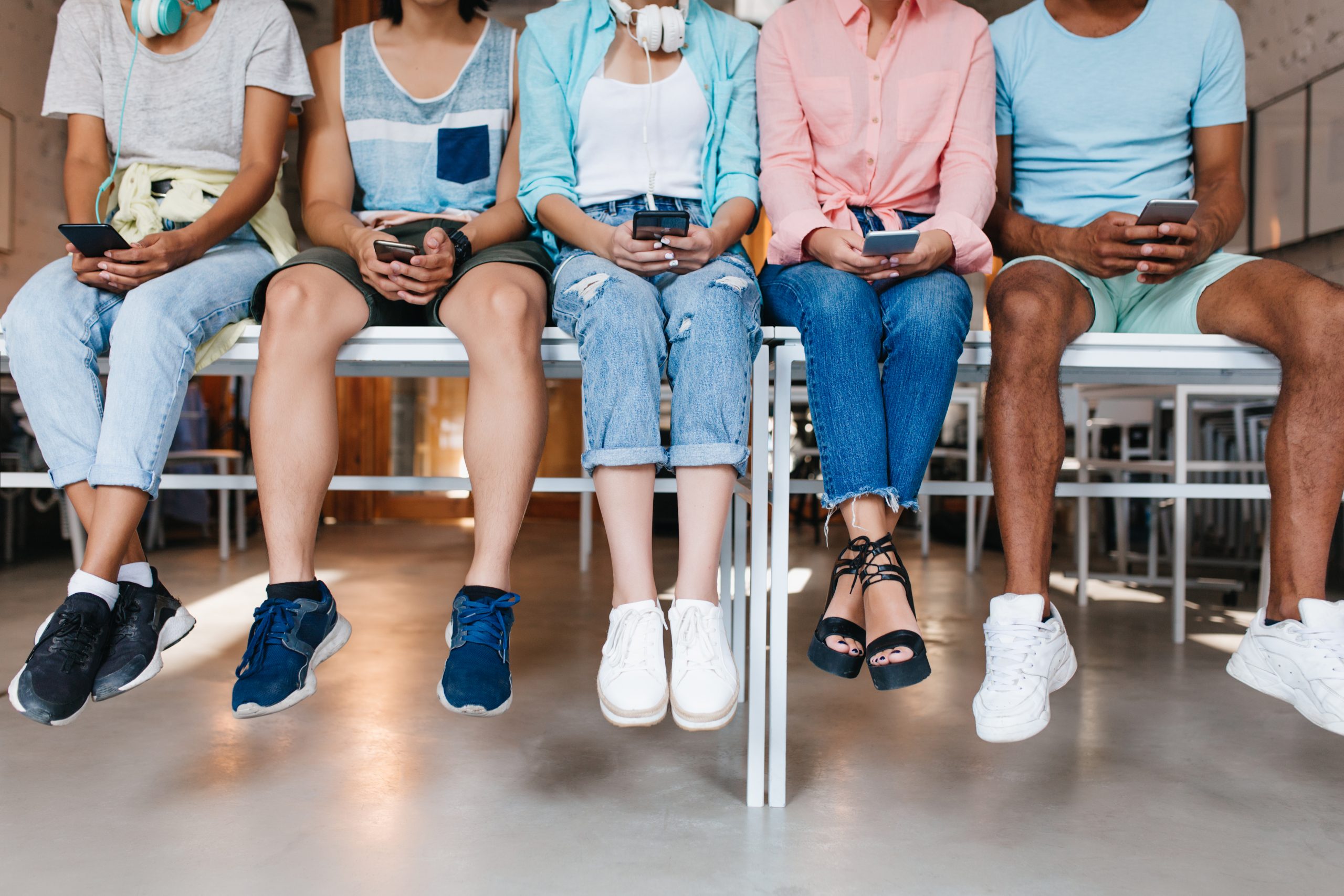
The Shopping Habits of Gen Z: Online vs. In-Store

nordic-circus.org – As digital natives, Generation Z, born between the late 1990s and early 2010s, has unique shopping habits that reflect their seamless integration with technology. Understanding their preferences for online versus in-store shopping is crucial for retailers aiming to capture this influential demographic’s attention and loyalty.

The Digital Shopping Experience

For Gen Z, online shopping is second nature. They have grown up with smartphones, social media, and instant access to information, making digital platforms their go-to for shopping. The convenience of online shopping, with its 24/7 availability and wide range of options, appeals to their fast-paced lifestyles. E-commerce giants like Amazon, along with direct-to-consumer brands, have capitalized on this by offering personalized recommendations, fast shipping, and seamless checkout processes.

Social Media Influence

Social media plays a pivotal role in Gen Z’s shopping habits. Platforms like Instagram, TikTok, and Snapchat are not just for socializing but also for discovering new products and brands. Influencers and peer reviews significantly impact their purchasing decisions, as authenticity and relatability are highly valued. Social commerce, where transactions occur directly through social media platforms, is becoming increasingly popular, merging social engagement with shopping.

In-Store Shopping: The Experiential Factor

While online shopping is prevalent, in-store experiences still hold value for Gen Z. Physical stores offer an opportunity for tactile engagement—trying on clothes, testing products, and enjoying immersive brand experiences. Retailers that provide interactive and personalized in-store experiences can attract Gen Z shoppers who seek more than just a transaction. Pop-up shops, experiential displays, and in-store events cater to this desire for engagement and discovery.

The Hybrid Shopper

Gen Z is adept at blending online and in-store shopping, often using both channels to enhance their experience. They might research products online before purchasing in-store or vice versa. This omnichannel approach means that retailers must ensure consistency and connectivity across all platforms. Click-and-collect services and in-store returns for online purchases are examples of how businesses can cater to this hybrid shopping behavior.

Sustainability and Ethical Considerations

Sustainability is a significant factor in Gen Z’s shopping decisions. They prefer brands that prioritize ethical practices, and this preference influences both online and in-store shopping habits. Retailers that highlight sustainable products and practices, whether through digital platforms or physical displays, can better connect with Gen Z consumers.

Conclusion

The shopping habits of Gen Z reflect a balance between the convenience of online shopping and the experiential nature of in-store visits. Their adept use of technology and social media, coupled with a strong emphasis on sustainability, shapes their expectations and interactions with brands. Retailers that adapt to these preferences by offering seamless, engaging, and ethical shopping experiences will be well-positioned to capture the loyalty of this dynamic generation.

Reset the shopping experience with health and wellness offers

In an era where health and wellness are at the forefront of public consciousness, traditional shopping malls are undergoing a transformative shift. No longer just destinations for retail therapy, these malls are now bustling hubs that cater to the holistic well-being of their visitors. The concept of “Healthy Malls” is gaining traction, with fitness and wellness offerings that go beyond the conventional shopping experience. This article delves into the innovative ways in which these malls are integrating health and wellness into their spaces, creating environments that promote physical, mental, and social well-being.

Integrating Fitness into the Retail Space

One of the most significant changes in the evolution of Healthy Malls is the integration of fitness centers and studios. These are not your average gyms; they are state-of-the-art facilities that offer a variety of classes, from yoga and Pilates to high-intensity interval training (HIIT) and spinning. The convenience of having a fitness center within the mall encourages shoppers to incorporate a workout into their shopping routine, making it easier for them to maintain an active lifestyle.

Promoting Mental Wellness

Mental health is an essential component of overall well-being, and Healthy Malls are recognizing this by providing spaces that promote mental wellness. Meditation rooms and quiet zones are becoming common features, offering shoppers a tranquil environment to relax and recharge. Some malls are even hosting workshops and seminars on stress management, mindfulness, and other mental health topics, providing valuable resources to the community.

Nutrition and Healthy Eating

Healthy Malls are also focusing on nutrition by offering a variety of healthy eating options. Gone are the days of fast food courts; now, malls are home to a diverse range of eateries that cater to various dietary needs, including organic, vegetarian, vegan, and gluten-free options. Many malls are also hosting farmers’ markets, cooking classes, and nutrition workshops, empowering shoppers to make informed choices about their diet.

Sustainability and Eco-Friendly Practices

Sustainability is another cornerstone of the Healthy Mall movement. These malls are committed to reducing their environmental footprint by implementing eco-friendly practices such as recycling programs, energy-efficient lighting, and water conservation measures. Additionally, they are encouraging retailers to adopt sustainable practices and offering products that are environmentally friendly.

Community Engagement and Social Wellness

Healthy Malls are not just about individual health; they also focus on social wellness by fostering a sense of community. These malls host a variety of events and activities that bring people together, such as fitness challenges, health fairs, and community service initiatives. By creating a space where people can connect and engage with one another, Healthy Malls are contributing to the social fabric of the community.

The Future of Healthy Malls

As the concept of Healthy Malls continues to evolve, we can expect to see even more innovative offerings that cater to the health and wellness needs of the community. From virtual reality fitness experiences to wellness apps that integrate with the mall’s services, the possibilities are endless. The future of shopping malls is not just about retail; it’s about creating a comprehensive wellness ecosystem that enriches the lives of visitors in every way.

In conclusion, Healthy Malls are redefining the shopping experience by offering a holistic approach to well-being. With fitness centers, mental wellness spaces, healthy eating options, sustainable practices, and community engagement, these malls are more than just places to shop—they are vibrant centers that promote a healthy lifestyle. As consumers continue to prioritize health and wellness, Healthy Malls are poised to become the new standard in retail destinations.