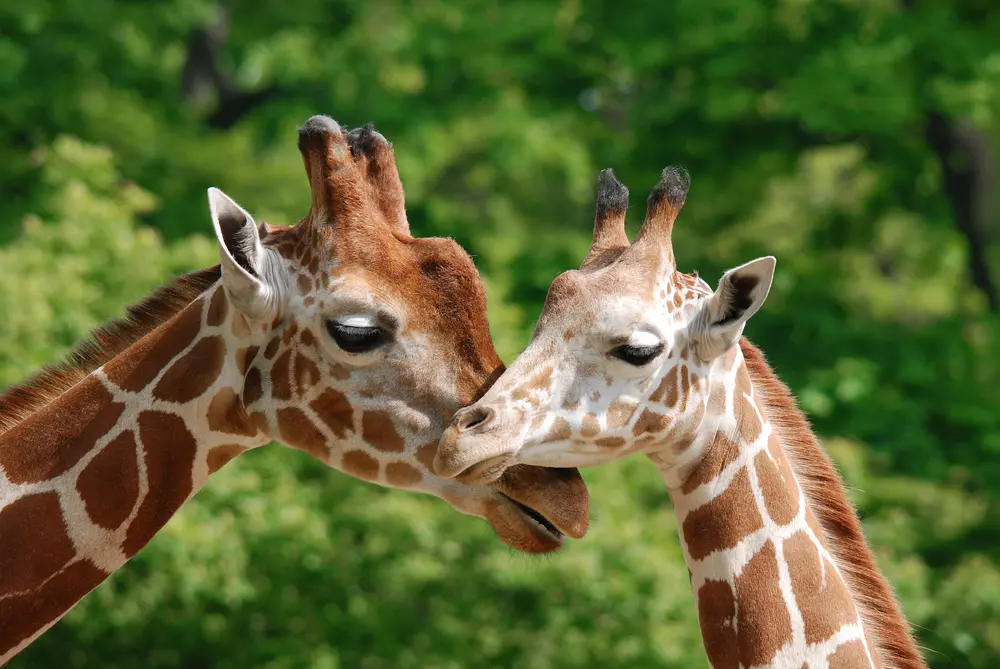
The Masai Giraffe: A Gentle Giant on the Brink

nordic-circus.org – The Masai giraffe, with its distinctive patchwork coat and towering stature, is a captivating icon of the African savanna. However, this magnificent creature is facing a critical threat: its population has declined significantly in recent decades. Habitat loss, poaching, and other human activities have pushed this subspecies to the brink of extinction.   

A Unique Species

The Masai giraffe (Giraffa camelopardalis tippelskirchi) is one of nine recognized giraffe subspecies. It is distinguished by its striking coat pattern, characterized by large, irregular dark patches separated by lighter areas. This unique coat pattern serves as a form of camouflage, helping the giraffe blend in with its surroundings and avoid predators.   

Masai giraffes are primarily found in the savannas and grasslands of East Africa, particularly in Kenya and Tanzania. They are known for their social behavior, living in small groups called “throups” that consist of females and their offspring. Male giraffes, on the other hand, often live solitary lives or form loose bachelor groups.   

A Gentle Giant

Despite their imposing size, Masai giraffes are gentle creatures. They spend most of their day browsing on the leaves of acacia trees, using their long tongues to extract the nutritious foliage. Their long necks allow them to reach food sources that are inaccessible to other herbivores.   

Masai giraffes are also known for their complex social interactions. They communicate with each other through a variety of vocalizations, body language, and scent marking. These social bonds are essential for their survival, as they help them to defend themselves against predators and find food and water.   

A Threatened Species

Unfortunately, the Masai giraffe is facing a serious threat. Habitat loss due to human activities such as agriculture, deforestation, and urbanization has reduced the amount of suitable habitat available to these animals. Additionally, poaching for their meat and hides has further depleted their numbers.   

The International Union for Conservation of Nature (IUCN) has classified the Masai giraffe as Endangered, highlighting the urgent need for conservation efforts. Various organizations and conservation initiatives are working to protect this iconic species and its habitat. These efforts include anti-poaching patrols, habitat restoration, and community-based conservation programs.   

Conservation Efforts

To ensure the survival of the Masai giraffe, it is crucial to address the threats that they face. This includes:

  • Habitat Protection: Protecting and restoring the giraffe’s natural habitat is essential. This involves creating and maintaining protected areas, implementing sustainable land-use practices, and reducing human encroachment.
  • Anti-Poaching Measures: Strict anti-poaching measures, such as increased patrols and community engagement, are necessary to deter illegal hunting.   
  • Community-Based Conservation: Involving local communities in conservation efforts can help to reduce human-wildlife conflict and promote sustainable livelihoods.   
  • Education and Awareness: Raising awareness about the plight of the Masai giraffe through education and outreach programs can help to foster public support for conservation efforts.

Conclusion

The Masai giraffe is a magnificent creature that deserves our protection. By taking action to address the threats facing this species, we can help to ensure its survival for generations to come. Let us work together to preserve this iconic symbol of the African savanna.

South America’s Lofty Giant: Aconcagua

nordic-circus.org – Nestled in the western region of Argentina, Aconcagua stands as the colossus of South America, towering over the Andes with an awe-inspiring height of 6,960.8 meters (22,837 feet). This majestic peak is not only the highest mountain in the Western Hemisphere but also the tallest outside of Asia. Its name, derived from the Quechua language, translates to “neck of the llama,” a fitting moniker for a mountain that, when viewed from certain angles, resembles the shape of this Andean camelid.

The Allure of Aconcagua

Aconcagua’s allure is multifaceted, drawing adventurers, mountaineers, and nature enthusiasts from around the globe. Its relatively straightforward ascent, compared to other high-altitude peaks, makes it an accessible challenge for those with the right preparation and determination. The mountain offers two main routes to the summit: the Normal Route (also known as the Polish Glacier Route) and the False Polish Glacier Route, each offering its own set of challenges and rewards.

A Natural Wonder

Beyond its status as a mountaineering mecca, Aconcagua is a natural wonderland. The area surrounding the mountain is part of the Aconcagua Provincial Park, which protects a diverse range of ecosystems and wildlife. The park is home to various species of flora and fauna, including the Andean condor, the world’s largest flying bird, which can often be seen soaring on the thermals above the mountain.

The Challenge of Ascent

Climbing Aconcagua is no small feat. It requires careful planning, physical fitness, and mental fortitude. The journey to the summit can take anywhere from 20 to 30 days, depending on the route chosen and the acclimatization strategy of the climber. The mountain’s weather is notoriously unpredictable, with high winds and sudden storms that can halt progress or even force climbers to retreat.

Preparation and Respect

Preparation is key to a successful ascent. Climbers must be well-versed in mountaineering techniques, including the use of crampons and ice axes, and must be prepared for the extreme cold and altitude. Respect for the mountain and its environment is paramount. The park authorities enforce strict regulations to protect the fragile ecosystem, and climbers are expected to adhere to these guidelines to preserve the natural beauty for future generations.

The Reward of the Summit

For those who reach the summit, the reward is unparalleled. The view from the top of Aconcagua is breathtaking, offering a 360-degree panorama of the Andes and, on clear days, extending as far as the Pacific Ocean to the west and the Argentine plains to the east. The sense of accomplishment is profound, a testament to the climber’s perseverance and the mountain’s grandeur.

Aconcagua’s Legacy

Aconcagua’s legacy is not just in its height or the challenge it presents to climbers. It is a symbol of the natural beauty and diversity of South America, a reminder of the power and majesty of the Earth’s landscape. For those who dare to climb it, Aconcagua offers a profound experience, a connection to the natural world that is both humbling and exhilarating.

Conclusion

Aconcagua stands as a testament to the enduring allure of the natural world. Its lofty peak beckons adventurers from across the globe, offering a challenge that is both physical and spiritual. Whether one chooses to climb it or simply marvel at its grandeur from afar, Aconcagua remains an iconic presence in the heart of the Andes, a symbol of the untamed beauty of South America.