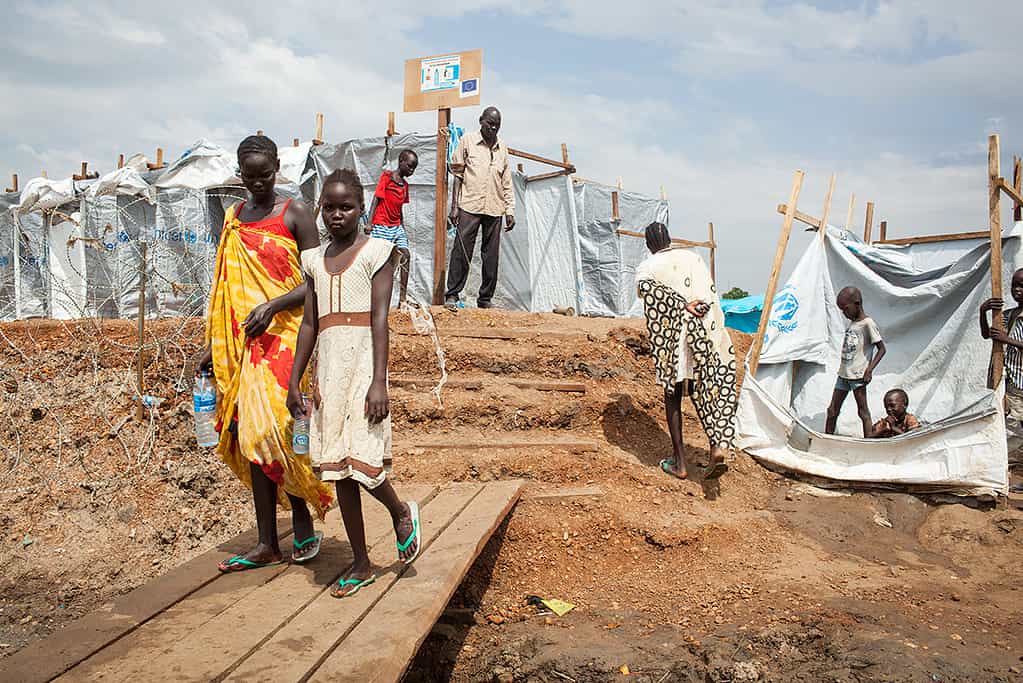
South Sudan: The World’s Newest & Poorest Country

nordic-circus.org – South Sudan, which gained independence from Sudan on July 9, 2011, is the world’s newest country. However, its journey since independence has been fraught with challenges, making it one of the poorest nations globally. This article explores the factors contributing to South Sudan’s poverty and its ongoing struggles.

A Tumultuous Start

South Sudan’s path to independence was marked by decades of civil war and conflict. The country’s birth was celebrated with hope and optimism, but the reality has been far from ideal. The Republic of South Sudan faces numerous challenges, including political instability, economic stagnation, and widespread poverty.

Economic Challenges

Despite being endowed with abundant natural resources, including oil, South Sudan’s economy remains one of the most underdeveloped in the world. The country’s GDP per capita is among the lowest globally, standing at $455 in 2024. The economy is heavily dependent on oil, which accounts for 98% of government revenue and 80% of its GDP. However, ongoing conflicts and political instability have severely impacted oil production, further exacerbating economic difficulties.

Political Instability

South Sudan’s political landscape is characterized by frequent conflicts and power struggles. The civil war that erupted in 2013 has had a devastating impact on the country’s development. The conflict has led to the displacement of millions of people, both internally and as refugees in neighboring countries. The peace agreement signed in 2020 has brought some stability, but the situation remains fragile, with sporadic violence continuing to plague the region.

Humanitarian Crisis

The humanitarian situation in South Sudan is dire. Over 82% of the population lives below the international poverty line, and the country faces severe food insecurity. In 2024, it is estimated that over 7.1 million people, or 57% of the population, will face crisis levels of food insecurity. The country also struggles with high rates of illiteracy, with only 27% of the population being literate.

Natural Disasters and Climate Change

South Sudan is increasingly vulnerable to natural disasters and the impacts of climate change. The country has experienced severe droughts and floods, which have further strained its already fragile economy and food security. The shifting weather patterns have had a significant impact on agriculture, the primary source of livelihood for 95% of the population.

Conclusion

South Sudan’s journey since independence has been marked by significant challenges. Despite its rich natural resources, the country remains one of the poorest in the world, grappling with political instability, economic stagnation, and a severe humanitarian crisis. Addressing these issues will require sustained international support and a commitment to peace and development from within the country.

Perilous Path: The World’s Most Dangerous Countries

nordic-circus.org – Traveling the world offers unparalleled experiences, from the serene beauty of natural landscapes to the vibrant cultures of diverse societies. However, not all destinations are created equal, and some countries pose significant risks to visitors and residents alike. This article delves into the perilous path of navigating the world’s most dangerous countries, exploring the factors that contribute to their hazardous reputations and offering insights for those who may find themselves in such environments.

The Nature of Danger:
Danger can manifest in various forms, including political instability, violent crime, terrorism, health risks, and natural disasters. Each of these elements can turn a country into a perilous place, where the ordinary act of living becomes fraught with risk.

Political Instability:
Countries embroiled in civil wars, coups, or other forms of political unrest often find themselves on the list of the world’s most dangerous. Examples include Syria, Yemen, and Afghanistan, where ongoing conflicts have led to widespread destruction, displacement of populations, and a high number of casualties.

Violent Crime:
High rates of violent crime, including murder, kidnapping, and armed robbery, can make a country perilous. Countries like Honduras, El Salvador, and Venezuela have some of the highest homicide rates globally, largely due to gang violence and drug trafficking.

Terrorism:
The threat of terrorism looms large in certain regions, with countries like Iraq, Nigeria, and Somalia facing ongoing threats from various extremist groups. Terrorist activities not only endanger lives but also disrupt economies and create environments of fear and uncertainty.

Health Risks:
Disease and inadequate healthcare can also make a country dangerous. In regions with poor sanitation and limited access to medical services, outbreaks of diseases such as malaria, yellow fever, and cholera can quickly become deadly.

Natural Disasters:
Geographic location can predispose countries to natural disasters, such as earthquakes, hurricanes, and floods. Countries like Haiti and the Philippines are prone to such events, which can devastate communities and lead to loss of life.

Navigating Danger:
For those who must travel to or live in dangerous countries, preparation and awareness are key. It is essential to stay informed about the current situation in the country, including any travel advisories issued by governments or international organizations.

Safety Measures:
Taking safety measures can mitigate risks. This includes maintaining a low profile, avoiding high-risk areas, and having a contingency plan in case of emergencies. Travel insurance that covers evacuation and medical treatment is also crucial.

The Role of Community:
In many dangerous countries, communities come together to support one another. Local knowledge can be invaluable, and expatriates often rely on established networks for advice and assistance.

Conclusion:
The perilous path through the world’s most dangerous countries is not one to be taken lightly. Understanding the nature of the dangers and preparing accordingly can help mitigate risks for those who find themselves in such environments. While the challenges are significant, the resilience and support of local communities can provide a beacon of hope in even the most perilous of places. As the world continues to evolve, so too will the landscapes of danger, requiring ongoing vigilance and adaptability from those who navigate them.

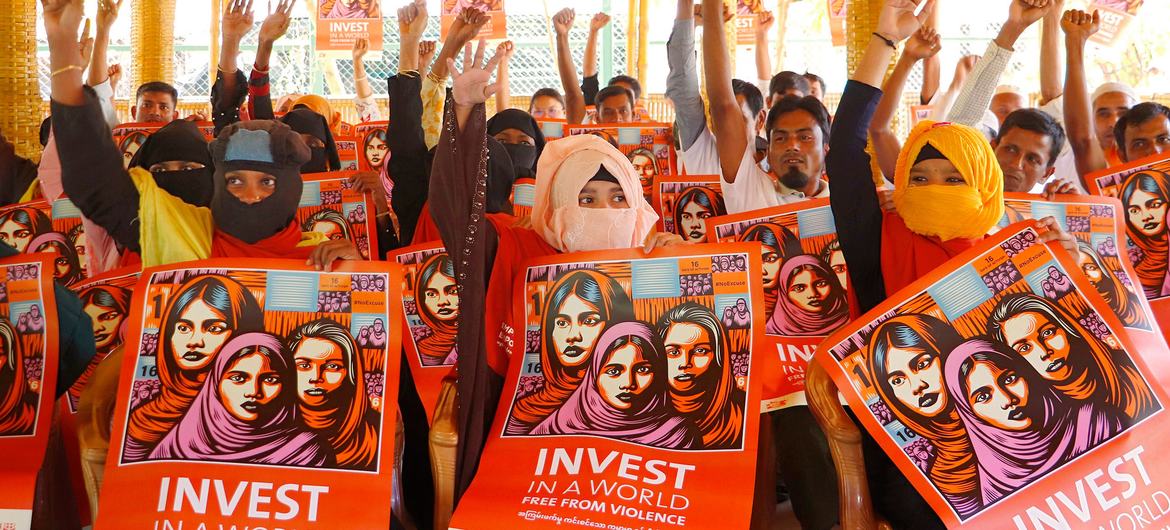
Women’s Lives in the Most Perilous Nations: The Battle for Survival

In the shadow of global progress and the pursuit of gender equality, there exists a stark reality for women in some of the world’s most perilous nations. These are places where the fundamental rights of women are not only ignored but often brutally suppressed. The battle for survival in these nations is a daily struggle, one that is fought on multiple fronts against cultural norms, political oppression, and societal violence. This article delves into the lives of women in these challenging environments, exploring the obstacles they face and the resilience they exhibit in their fight for a better future.

The Landscape of Oppression

In countries plagued by conflict, dictatorship, or extreme poverty, women often bear the brunt of societal pressures. They are frequently subjected to gender-based violence, forced marriages, and denied access to education and healthcare. The threat of sexual assault is a constant shadow, with women in war-torn regions particularly vulnerable to such atrocities. The lack of legal protection and the impunity of perpetrators exacerbate the situation, leaving women with few avenues for justice.

Cultural and Religious Constraints

In some nations, deeply entrenched cultural and religious beliefs dictate the role of women in society. These beliefs often relegate women to subservient positions, limiting their autonomy and decision-making power. Practices such as female genital mutilation (FGM), honor killings, and the denial of inheritance rights are rooted in these traditions, causing irreparable harm to the physical and psychological well-being of women.

The Fight for Education

Education is a powerful tool in the fight for gender equality, yet it remains a contentious issue in many perilous nations. Girls are often the first to be pulled from school to help with household duties or to be married off. The few who do manage to pursue an education face threats and violence, as exemplified by the Taliban’s attack on Pakistani schoolgirl Malala Yousafzai, who was shot for advocating for girls’ education. Despite these dangers, education remains a beacon of hope for many women, offering a pathway to independence and empowerment.

Economic Struggles

Economic hardship is a common thread running through the lives of women in perilous nations. The lack of job opportunities and the prevalence of discriminatory hiring practices leave many women in poverty. Those who do find work often face exploitative conditions, including low pay and sexual harassment. Microfinance and entrepreneurship programs have emerged as potential solutions, providing women with the means to support themselves and their families.

The Resilience of Women

Despite the overwhelming challenges, the resilience of women in these nations is a testament to the strength of the human spirit. Grassroots movements and non-governmental organizations (NGOs) have become platforms for change, offering support in the form of legal aid, shelters, and education programs. Women activists, often at great personal risk, are leading the charge for reform, advocating for laws that protect women’s rights and challenging the status quo.

International Support

The international community has a role to play in supporting women in perilous nations. Humanitarian aid, diplomatic pressure, and advocacy for women’s rights are critical components of any effort to improve the situation. By shining a light on these issues and holding governments accountable, the global community can help create a safer, more equitable environment for women.

Conclusion

The battle for survival faced by women in the world’s most perilous nations is a stark reminder of the work that remains to be done in the fight for gender equality. It is a battle that is fought on multiple fronts, against deeply ingrained societal norms and in the face of violence and oppression. Yet, amidst the darkness, there are glimmers of hope—stories of resilience, activism, and change. As the world continues to evolve, it is imperative that we stand in solidarity with these women, supporting their fight for a future where their rights are recognized, respected, and realized.