The Mighty Beetle: A World of Armor and Diversity

nordic-circus.org – Beetles, belonging to the order Coleoptera, are the most diverse group of insects, representing nearly 25% of all known animal life-forms. Their incredible adaptability and varied lifestyles have allowed them to colonize nearly every terrestrial habitat on Earth. This article delves into the fascinating world of beetles, exploring their unique characteristics, diverse forms, ecological roles, and interactions with humans.   

Defining Characteristics: The Elytra and More

Beetles possess several key features that distinguish them from other insects:

  • Elytra: The most defining characteristic of beetles is their hardened forewings, known as elytra. These serve as protective covers for the delicate hindwings used for flight and the abdomen.   
  • Complete Metamorphosis: Beetles undergo complete metamorphosis, with four distinct life stages: egg, larva (grub), pupa, and adult.   
  • Chewing Mouthparts: Beetles have chewing mouthparts, which are adapted for a wide range of food sources, including plants, other insects, decaying matter, and fungi.   

Diversity of Beetles: A Kaleidoscope of Forms

The order Coleoptera is incredibly diverse, with over 400,000 described species classified into numerous families:   

  • Carabidae (Ground Beetles): Predatory beetles that are often found under rocks and logs.   
  • Scarabaeidae (Scarab Beetles): Includes dung beetles, chafers, and rhinoceros beetles.   
  • Curculionidae (Weevils): Characterized by their elongated snouts and are primarily herbivorous.   
  • Chrysomelidae (Leaf Beetles): Herbivorous beetles that feed on plant foliage.   
  • Coccinellidae (Ladybugs or Lady Beetles): Predatory beetles that are beneficial to agriculture due to their consumption of aphids.   

Beetle Anatomy and Physiology: Adaptations for Diverse Lifestyles

Beetles have evolved a wide range of adaptations to suit their diverse lifestyles:

  • Legs: Beetle legs are adapted for various functions, including running, digging, swimming, and grasping prey.   
  • Antennae: Beetle antennae vary greatly in shape and size, serving as sensory organs for detecting odors, vibrations, and other environmental cues.   
  • Size: Beetles range in size from less than a millimeter to over 15 centimeters in length, showcasing remarkable variation.   

Ecological Roles: From Decomposers to Predators

Beetles play crucial roles in various ecosystems:

  • Decomposers: Many beetle species, such as dung beetles and carrion beetles, are important decomposers, breaking down organic matter and recycling nutrients.   
  • Predators: Predatory beetles, such as ground beetles and ladybugs, help control populations of other insects, including agricultural pests.   
  • Herbivores: Herbivorous beetles, such as leaf beetles and weevils, feed on plants and can sometimes be considered pests.   
  • Pollinators: While less efficient than bees, some beetles contribute to pollination by transferring pollen between flowers.   

Beetle Behavior: Communication and Defense

Beetles exhibit a variety of interesting behaviors:

  • Communication: Beetles communicate using various methods, including pheromones, sounds, and visual signals.
  • Defense Mechanisms: Beetles have evolved various defense mechanisms to protect themselves from predators, including camouflage, mimicry, chemical defenses (e.g., bombardier beetles), and hard exoskeletons.

Beetles and Humans: Interactions and Impacts

Beetles interact with humans in various ways:

  • Agricultural Pests: Some beetle species are considered agricultural pests, causing damage to crops and stored products.   
  • Beneficial Insects: Other beetle species are beneficial to agriculture, acting as natural enemies of pests.
  • Forensic Entomology: Beetles play a role in forensic entomology, helping to determine the time of death in criminal investigations.   
  • Cultural Significance: Beetles have cultural significance in various societies, appearing in art, mythology, and folklore.   

Threats to Beetle Populations: Habitat Loss and Climate Change

Beetle populations face several threats:

  • Habitat Loss: The destruction of natural habitats due to deforestation, agriculture, and urbanization is a major threat.   
  • Pesticide Use: Pesticides can directly kill beetles or harm their food sources.
  • Climate Change: Changes in temperature and precipitation patterns can disrupt beetle life cycles and distributions.   
  • Invasive Species: The introduction of invasive beetle species can disrupt native ecosystems.

Conservation Efforts: Protecting the Beetle Diversity

Protecting beetle diversity requires a multi-faceted approach:

  • Habitat Conservation: Protecting and restoring natural habitats is crucial.
  • Sustainable Land Management: Promoting sustainable forestry and agricultural practices can help protect beetle habitats.   
  • Reducing Pesticide Use: Implementing integrated pest management strategies and minimizing the use of harmful pesticides can protect beetle populations.
  • Research and Monitoring: Continued research and monitoring of beetle populations are essential for understanding and addressing the threats they face.

Conclusion: Appreciating the Beetle’s Reign

Beetles are a testament to the incredible diversity and adaptability of life on Earth. Their ecological roles are essential for maintaining healthy ecosystems, and their interactions with humans are complex and multifaceted. By understanding and appreciating these remarkable creatures, we can contribute to their conservation and ensure their continued presence in our world.


Barbie Mariposa: A Butterfly’s Tale – A World of Wonder

A Fluttery Adventure

nordic-circus.org – The Barbie Mariposa series is a collection of animated films that transport viewers to the vibrant world of Flutterfield, a magical kingdom inhabited by fairies and butterflies. These films have captivated young audiences with their stunning animation, catchy music, and heartwarming stories.

A Butterfly’s Dream

The series follows Mariposa, a young fairy with a unique talent for transforming into a butterfly. With her colorful wings and adventurous spirit, Mariposa embarks on exciting quests to protect Flutterfield from evil forces and spread joy throughout the kingdom.

A World of Wonder

Each film in the series introduces new characters and challenges, as Mariposa and her friends work together to overcome obstacles and save the day. The series emphasizes the importance of friendship, loyalty, and believing in oneself.

A Colorful Adventure

The Barbie Mariposa series features stunning animation, vibrant colors, and catchy songs that will have you singing along. It’s a perfect choice for young viewers who love fairies, butterflies, and magical adventures.

Ocean Secrets: Mysteries Beneath the Waves

nordic-circus.org – The ocean, with its vast expanse and mysterious depths, has long captivated the human imagination. Beneath the surface of the water lies a world teeming with life, secrets, and wonders yet to be discovered. This article delves into the mysteries beneath the waves, exploring the hidden life of the ocean and the secrets it holds.

The Deep Sea: A World Apart

The deep sea, often referred to as the abyss, is a realm of darkness and extreme conditions. It is a world apart from the sunlit surface, where unique species have evolved to survive in the cold, high-pressure environment. Despite its inhospitable conditions, the deep sea is home to a diverse array of life forms, many of which are still unknown to science.

Bioluminescence: Nature’s Underwater Light Show

One of the most fascinating phenomena in the deep sea is bioluminescence. This natural form of light is produced by a variety of marine organisms, from tiny plankton to large squid. Bioluminescence serves various purposes, including communication, mating, and camouflage. It creates an otherworldly glow in the dark depths, illuminating the ocean in a dazzling display of colors.

Hydrothermal Vents: Oases of Life

Hydrothermal vents are another marvel of the deep sea. These underwater hot springs are found at tectonic plate boundaries, where superheated water spews from the ocean floor. Despite the toxic chemicals and scalding temperatures, hydrothermal vents support thriving ecosystems. Unique species of bacteria, tubeworms, and crabs have adapted to these extreme conditions, creating oases of life in the otherwise barren abyss.

The Lost City: A Hydrothermal Vent Field

The Lost City Hydrothermal Field, discovered in 2000, is a remarkable example of deep-sea hydrothermal activity. Located near the mid-Atlantic Ridge, this field is characterized by towering white chimneys that emit alkaline fluids rich in methane and hydrogen. The Lost City challenges our understanding of life in the deep sea, suggesting that life could potentially thrive in similar environments on other planets.

Deep-Sea Exploration: Unveiling Ocean Secrets

Exploring the deep sea is a challenging endeavor, requiring specialized equipment and technology. Submersibles, remotely operated vehicles (ROVs), and autonomous underwater vehicles (AUVs) are essential tools for venturing into the abyss. These technologies enable scientists to capture stunning images and collect valuable data, helping to uncover the mysteries of the deep sea.

Conservation Efforts: Protecting the Deep Sea

The deep sea is not only a source of fascination but also a critical part of the Earth’s ecosystem. It plays a vital role in regulating the climate and supporting biodiversity. However, the deep sea faces threats from pollution, overfishing, and habitat destruction. Conservation efforts are essential to protect this fragile environment and preserve its secrets for future generations.

Conclusion

The ocean’s secrets are as vast and mysterious as the deep sea itself. From bioluminescent creatures to hydrothermal vents, the deep sea is a realm of wonders waiting to be discovered. As we continue to explore this hidden world, we gain a deeper appreciation for the ocean’s beauty and its importance to life on Earth. Protecting the deep sea is not only a matter of scientific curiosity but also a necessity for the health of our planet.

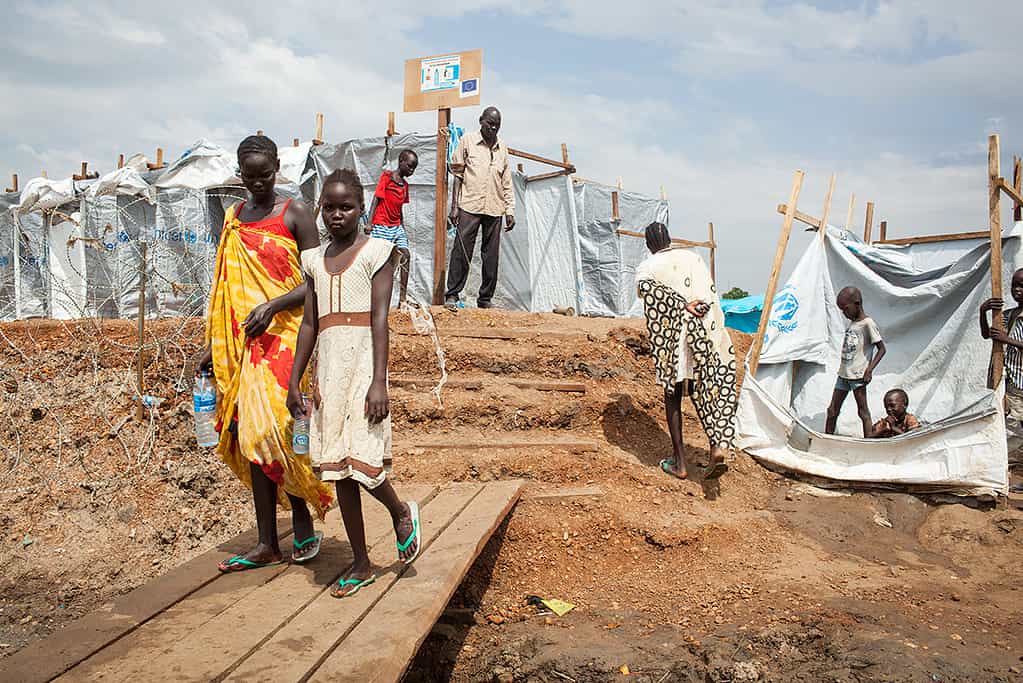
South Sudan: The World’s Newest & Poorest Country

nordic-circus.org – South Sudan, which gained independence from Sudan on July 9, 2011, is the world’s newest country. However, its journey since independence has been fraught with challenges, making it one of the poorest nations globally. This article explores the factors contributing to South Sudan’s poverty and its ongoing struggles.

A Tumultuous Start

South Sudan’s path to independence was marked by decades of civil war and conflict. The country’s birth was celebrated with hope and optimism, but the reality has been far from ideal. The Republic of South Sudan faces numerous challenges, including political instability, economic stagnation, and widespread poverty.

Economic Challenges

Despite being endowed with abundant natural resources, including oil, South Sudan’s economy remains one of the most underdeveloped in the world. The country’s GDP per capita is among the lowest globally, standing at $455 in 2024. The economy is heavily dependent on oil, which accounts for 98% of government revenue and 80% of its GDP. However, ongoing conflicts and political instability have severely impacted oil production, further exacerbating economic difficulties.

Political Instability

South Sudan’s political landscape is characterized by frequent conflicts and power struggles. The civil war that erupted in 2013 has had a devastating impact on the country’s development. The conflict has led to the displacement of millions of people, both internally and as refugees in neighboring countries. The peace agreement signed in 2020 has brought some stability, but the situation remains fragile, with sporadic violence continuing to plague the region.

Humanitarian Crisis

The humanitarian situation in South Sudan is dire. Over 82% of the population lives below the international poverty line, and the country faces severe food insecurity. In 2024, it is estimated that over 7.1 million people, or 57% of the population, will face crisis levels of food insecurity. The country also struggles with high rates of illiteracy, with only 27% of the population being literate.

Natural Disasters and Climate Change

South Sudan is increasingly vulnerable to natural disasters and the impacts of climate change. The country has experienced severe droughts and floods, which have further strained its already fragile economy and food security. The shifting weather patterns have had a significant impact on agriculture, the primary source of livelihood for 95% of the population.

Conclusion

South Sudan’s journey since independence has been marked by significant challenges. Despite its rich natural resources, the country remains one of the poorest in the world, grappling with political instability, economic stagnation, and a severe humanitarian crisis. Addressing these issues will require sustained international support and a commitment to peace and development from within the country.

Cultural Standards Around the World: Sculpting Beauty

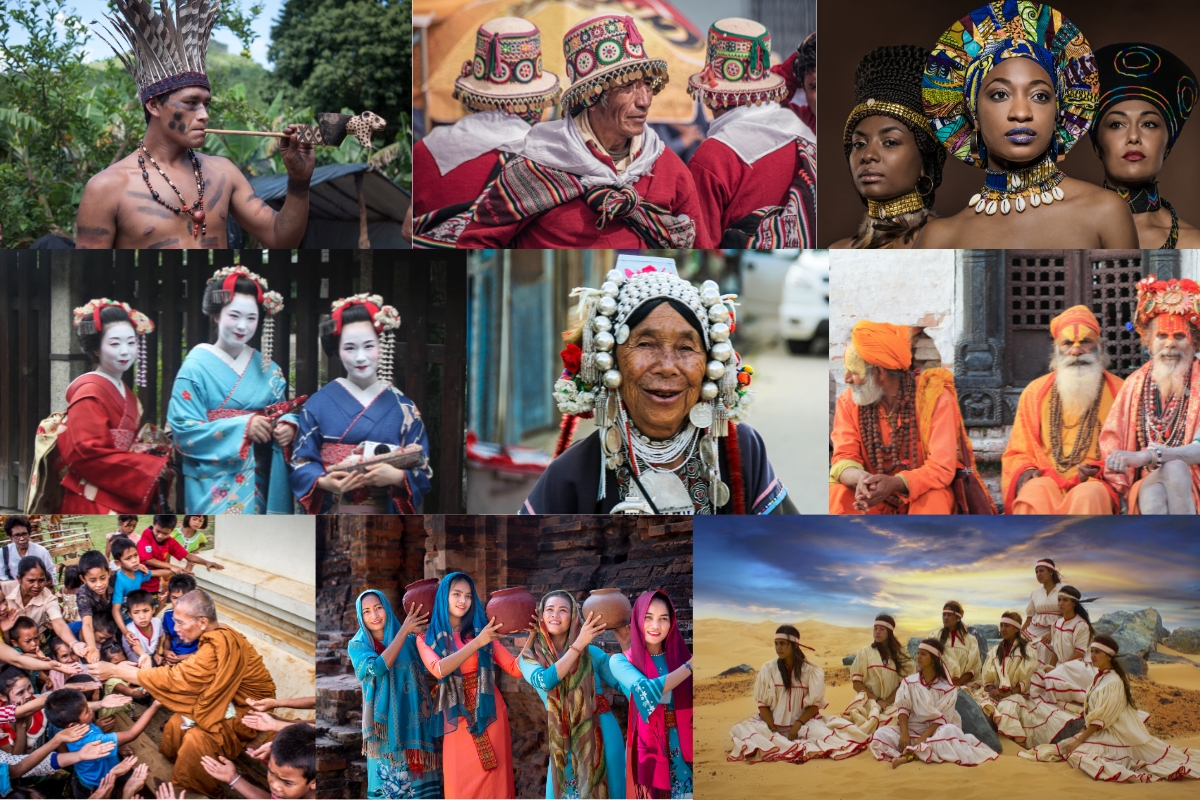
nordic-circus.org – Beauty is a concept that has fascinated humanity since ancient times. It is a multifaceted notion that encompasses not only physical appearance but also personality, morality, and cultural values. The standards of beauty, however, are not universal; they vary greatly across different cultures and time periods. This article explores the diverse cultural standards of beauty around the world, highlighting how these ideals shape societal norms and individual perceptions of attractiveness.

The Evolution of Beauty Standards

Throughout history, the concept of beauty has evolved significantly. In ancient Greece, for example, a symmetrical face and a well-proportioned body were considered the pinnacle of beauty. During the Renaissance, the ideal beauty was characterized by a fuller figure, which symbolized wealth and fertility. In contrast, the 20th century saw a shift towards thinner body types, influenced by fashion and media.

Beauty Standards in Different Cultures

East Asia: The Pursuit of Pale Skin

In East Asian countries like China, Japan, and Korea, pale skin has long been associated with beauty. This standard dates back to ancient times when fair skin was a sign of high social status, as it indicated that a person did not have to work outdoors in the sun. Today, the beauty industry in these countries thrives on products that promise to lighten and brighten the skin.

Africa: The Celebration of Curves

In many African cultures, curves are celebrated as a symbol of beauty and fertility. Women with fuller figures are often considered more attractive. This is in stark contrast to the Western ideal of thinness. African beauty standards also emphasize natural hair and skin, with a variety of hairstyles and textures being appreciated.

South America: The Value of Voluptuousness

In countries like Brazil and Venezuela, beauty is often equated with voluptuousness. Women with hourglass figures are idealized, and there is a significant emphasis on physical appearance. This has led to a booming cosmetic surgery industry, with procedures like buttock augmentation being particularly popular.

The Middle East: The Art of Henna and Hijab

In Middle Eastern cultures, beauty is expressed through art forms like henna and the wearing of the hijab. Henna is used to create intricate designs on the hands and feet for special occasions, while the hijab is a symbol of modesty and elegance. The Middle Eastern beauty standard also values clear skin and well-groomed eyebrows.

The Impact of Globalization on Beauty Standards

With the advent of globalization and the rise of social media, beauty standards are becoming increasingly homogenized. Western ideals of beauty, propagated by Hollywood and the fashion industry, are influencing cultures around the world. This has led to a debate about the loss of cultural diversity in beauty standards and the pressure on individuals to conform to a narrow definition of attractiveness.

Conclusion

Beauty is a cultural construct that reflects the values and ideals of a society. While there are universal elements of beauty, such as symmetry and proportion, the specific standards vary greatly from one culture to another. As the world becomes more interconnected, it is important to recognize and respect the diverse beauty standards that exist. By doing so, we can celebrate the rich tapestry of human culture and promote a more inclusive understanding of beauty.

Perilous Path: The World’s Most Dangerous Countries

nordic-circus.org – Traveling the world offers unparalleled experiences, from the serene beauty of natural landscapes to the vibrant cultures of diverse societies. However, not all destinations are created equal, and some countries pose significant risks to visitors and residents alike. This article delves into the perilous path of navigating the world’s most dangerous countries, exploring the factors that contribute to their hazardous reputations and offering insights for those who may find themselves in such environments.

The Nature of Danger:
Danger can manifest in various forms, including political instability, violent crime, terrorism, health risks, and natural disasters. Each of these elements can turn a country into a perilous place, where the ordinary act of living becomes fraught with risk.

Political Instability:
Countries embroiled in civil wars, coups, or other forms of political unrest often find themselves on the list of the world’s most dangerous. Examples include Syria, Yemen, and Afghanistan, where ongoing conflicts have led to widespread destruction, displacement of populations, and a high number of casualties.

Violent Crime:
High rates of violent crime, including murder, kidnapping, and armed robbery, can make a country perilous. Countries like Honduras, El Salvador, and Venezuela have some of the highest homicide rates globally, largely due to gang violence and drug trafficking.

Terrorism:
The threat of terrorism looms large in certain regions, with countries like Iraq, Nigeria, and Somalia facing ongoing threats from various extremist groups. Terrorist activities not only endanger lives but also disrupt economies and create environments of fear and uncertainty.

Health Risks:
Disease and inadequate healthcare can also make a country dangerous. In regions with poor sanitation and limited access to medical services, outbreaks of diseases such as malaria, yellow fever, and cholera can quickly become deadly.

Natural Disasters:
Geographic location can predispose countries to natural disasters, such as earthquakes, hurricanes, and floods. Countries like Haiti and the Philippines are prone to such events, which can devastate communities and lead to loss of life.

Navigating Danger:
For those who must travel to or live in dangerous countries, preparation and awareness are key. It is essential to stay informed about the current situation in the country, including any travel advisories issued by governments or international organizations.

Safety Measures:
Taking safety measures can mitigate risks. This includes maintaining a low profile, avoiding high-risk areas, and having a contingency plan in case of emergencies. Travel insurance that covers evacuation and medical treatment is also crucial.

The Role of Community:
In many dangerous countries, communities come together to support one another. Local knowledge can be invaluable, and expatriates often rely on established networks for advice and assistance.

Conclusion:
The perilous path through the world’s most dangerous countries is not one to be taken lightly. Understanding the nature of the dangers and preparing accordingly can help mitigate risks for those who find themselves in such environments. While the challenges are significant, the resilience and support of local communities can provide a beacon of hope in even the most perilous of places. As the world continues to evolve, so too will the landscapes of danger, requiring ongoing vigilance and adaptability from those who navigate them.

Rock the Fields: Journey Through the Biggest Music Festival

nordic-circus.org – Music festivals have become a cultural phenomenon, drawing millions of people from around the globe to celebrate the universal language of music. From the sprawling fields of Europe to the sun-soaked deserts of the United States, these events offer more than just a lineup of performances; they are a journey into a world where music, art, and community converge. In this article, we will explore some of the world’s largest music festivals, each with its unique flavor and legacy.

Glastonbury Festival, UK

The Glastonbury Festival of Contemporary Performing Arts, commonly known as Glastonbury, is a five-day festival that takes place on Worthy Farm in Pilton, Somerset, England. With an attendance of around 200,000 people, Glastonbury is not just the largest greenfield festival in the world but also one of the most iconic. Since its inception in 1970, Glastonbury has grown from a small gathering of 1,500 people to a massive event that features hundreds of musical acts across multiple stages. The festival is renowned for its diverse lineup, which includes everything from established global stars to emerging talents across genres.

Tomorrowland, Belgium

Tomorrowland, held in Boom, Belgium, is a fairy tale come to life for electronic dance music (EDM) enthusiasts. This festival is known for its elaborate stage designs, state-of-the-art production, and a lineup that features the biggest names in EDM. With an attendance of over 400,000 people across two weekends, Tomorrowland has become a pilgrimage for dance music fans. The festival’s theme, “The Melodia of Life,” encapsulates its ethos of unity and celebration through music.

Coachella Valley Music and Arts Festival, USA

Glastonbury Festival 2020 cancelled as UK continues to battle coronavirus

Coachella, held in Indio, California, is a two-weekend festival that has become synonymous with modern music festival culture. Known for its desert setting, fashion, and the Coachella Valley’s iconic Ferris wheel, the festival attracts over 250,000 attendees. Coachella’s lineup is a melting pot of genres, including rock, pop, hip-hop, electronic, and experimental music. The festival has been a launching pad for many artists’ careers and has hosted legendary performances that have become part of music festival lore.

Rock in Rio, Brazil

Rock In Rio Brazil 1st Weekend – The Town Festival - Rock Rage Radio

Rock in Rio is the largest music and entertainment festival in the Latin world and one of the largest in the world. Held in Rio de Janeiro, Brazil, the festival has also taken place in Lisbon, Portugal, and Madrid, Spain. With an attendance of over 600,000 people, Rock in Rio is known for its diverse lineup that spans rock, pop, electronic, and Latin music. The festival has a history of bringing together legendary acts and has been a significant cultural event since its inception in 1985.

Lollapalooza, USA

Lollapalooza opens in Chicago: Scenes from Day 1 from the entrance to the  T-Mobile stage – Chicago Tribune

Lollapalooza, held in Grant Park, Chicago, Illinois, is a four-day summer music festival that has become a staple of the American festival circuit. With an attendance of around 400,000 people, Lollapalooza features a wide range of genres, including alternative rock, hip-hop, electronic, and pop. The festival is known for its energetic atmosphere, diverse lineup, and the city of Chicago’s vibrant backdrop.

Ultra Music Festival, USA

Ultra Music Festival

Ultra Music Festival, held in Miami, Florida, is a three-day electronic music festival that attracts over 165,000 attendees. Known for its cutting-edge stage designs and a lineup that features the top DJs and producers in the EDM world, Ultra has become a key event in the electronic music calendar. The festival’s main stage, the Ultra Main Stage, is a spectacle of light and sound that has become iconic in the world of electronic music.

These festivals are more than just concerts; they are experiences that offer a glimpse into the heart of music culture. They are places where fans can discover new artists, reunite with friends, and create memories that last a lifetime. As the world continues to evolve, music festivals remain a testament to the power of music to bring people together, transcending language, culture, and geography. Rock the Fields is not just a journey through the world’s largest music festivals; it’s a journey through the soul of music itself.