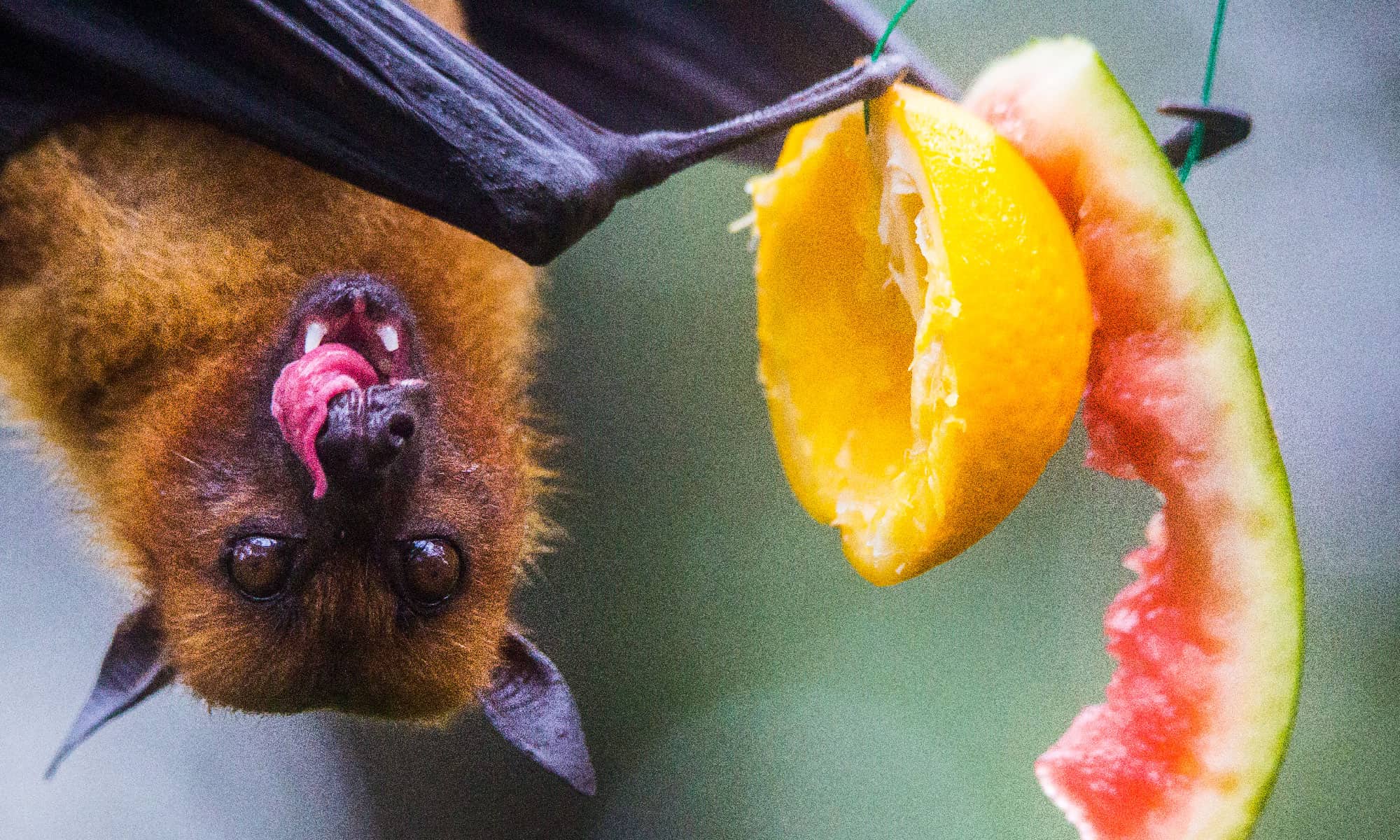
Bat Food: A Guide to Feeding Different Types of Bats

nordic-circus.org – Bats are unique creatures that play a vital role in ecosystems worldwide, from pollinating plants to controlling insect populations. As diverse as their species are, so are their dietary needs. Different species of bats consume a wide range of foods, from insects to fruits, nectar, and even blood in some cases. This article will explore the various types of bat diets, their natural feeding habits, and how to care for bats in captivity.

1. Understanding Bat Diets

Bats are the second largest order of mammals, and their diets vary depending on their species, habitat, and ecological niche. There are four main types of bat diets:

  • Insectivorous bats: These bats primarily eat insects.
  • Frugivorous bats: These bats feed on fruits.
  • Nectarivorous bats: These bats consume nectar from flowers.
  • Carnivorous bats: Some bats consume small animals, while a few species, like vampire bats, feed on the blood of mammals or birds.

Providing the correct food for a bat is essential to maintaining their health and well-being, whether in the wild or captivity.

2. Insectivorous Bats: The Most Common Diet

Insectivorous bats, which make up the majority of bat species, feed on insects such as mosquitoes, moths, beetles, and flies. They are highly beneficial to ecosystems because they help control insect populations, especially those that are pests to humans and crops.

Common Insects Eaten by Insectivorous Bats:

  • Mosquitoes: Bats can consume thousands of mosquitoes in a single night, making them natural pest controllers.
  • Beetles: Bats are known to eat various species of beetles, particularly those that are agricultural pests.
  • Moths and Flies: These flying insects are an essential part of a bat’s diet, especially in temperate climates.
  • Crickets and Grasshoppers: Larger insectivorous bats can catch and consume larger prey like crickets and grasshoppers.

Feeding Insectivorous Bats in Captivity:

In captivity, insectivorous bats are typically fed live or dried insects such as mealworms, crickets, and waxworms. These can be purchased from pet stores or online. A typical diet for an insectivorous bat in captivity includes:

  • Mealworms: A staple food, mealworms are high in protein and easy to digest.
  • Crickets: Another good source of protein, crickets provide variety in a bat’s diet.
  • Moth larvae: An occasional treat that bats enjoy.

In addition to insects, insectivorous bats may require vitamin and calcium supplements to ensure they receive all the nutrients they need.

3. Frugivorous Bats: The Fruit Eaters

Frugivorous bats, such as flying foxes and fruit bats, primarily eat fruits and play an essential role in seed dispersal. These bats are vital for tropical ecosystems, helping regenerate forests by spreading seeds from the fruits they consume.

Common Fruits Eaten by Frugivorous Bats:

  • Bananas: A common fruit for frugivorous bats, especially in captivity.
  • Mangoes: High in sugar and nutrients, mangoes are a favorite for many fruit bats.
  • Pineapple: Offers a good source of hydration and nutrients.
  • Papayas and Guavas: Soft fruits that bats can easily chew and digest.
  • Berries: Small fruits like strawberries, blueberries, and raspberries provide variety and are a nutritious option.

Feeding Frugivorous Bats in Captivity:

In captivity, frugivorous bats require a variety of fresh fruits to stay healthy. It’s important to:

  • Offer a mix of fruits daily: Slice fruits into small, bite-sized pieces to make them easier to eat.
  • Remove any uneaten fruit: Clean up any leftover fruit to prevent spoilage and bacterial growth.
  • Supplement their diet with juices: In addition to fresh fruit, fruit juices can be offered occasionally to provide extra hydration and nutrients.

4. Nectarivorous Bats: The Pollinators

Nectarivorous bats, like the lesser long-nosed bat and the Mexican long-tongued bat, feed primarily on nectar from flowers. These bats are essential pollinators for many plants, including species of cacti, agave, and tropical trees.

Common Nectar Sources for Nectarivorous Bats:

  • Agave nectar: A primary source of food for nectar-feeding bats.
  • Cactus flowers: Some bat species are specialized to feed on the nectar of cactus flowers.
  • Fruit tree blossoms: Nectarivorous bats often feed on the blossoms of fruit trees like mangoes and bananas.

Feeding Nectarivorous Bats in Captivity:

In captivity, nectarivorous bats are typically fed nectar substitutes or homemade nectar solutions. A typical nectar diet includes:

  • Nectar substitute: Commercial nectar products formulated for nectar-feeding birds or bats.
  • Homemade nectar solution: A mix of water and honey or sugar can mimic the natural nectar they would consume in the wild.

Ensure that nectar is changed daily to maintain freshness and prevent bacterial growth.

5. Carnivorous Bats: Predators of Small Animals

While rare, some species of bats, such as the greater noctule bat, are carnivorous and feed on small animals like frogs, lizards, birds, and even fish. The most well-known carnivorous bats are the vampire bats, which consume the blood of mammals and birds.

Feeding Carnivorous Bats in Captivity:

Feeding carnivorous bats in captivity requires special care. They are usually given small amounts of raw meat or fish, and in the case of vampire bats, a diet of blood is necessary. Only specialized caretakers or rehabilitation centers handle these bats due to the complexity of their diets.

6. Hydration: Fresh Water is Essential

All bat species, regardless of their diet, require fresh water. Ensure that bats in captivity have access to clean water at all times. For nectarivorous bats, nectar also provides hydration, but they should still have access to water.

7. Feeding Tips and Considerations

  • Balanced diet: Whether feeding insectivorous, frugivorous, or nectarivorous bats, providing a varied diet is essential to ensure they receive all necessary nutrients.
  • Supplementation: In captivity, bats may require vitamin and calcium supplements, especially if their diet does not include all the nutrients they would get in the wild.
  • Feeding times: Bats are nocturnal, so it’s best to feed them in the evening when they are most active.
  • Clean feeding areas: Leftover food can spoil quickly and attract pests, so clean their feeding areas regularly.

8. Conclusion

Bats have diverse and specialized diets that vary significantly depending on their species. Whether they consume insects, fruits, nectar, or small animals, it’s important to understand their natural feeding habits and replicate them as closely as possible in captivity. By providing a balanced, species-appropriate diet, you can help ensure that bats remain healthy and thrive in their environments.
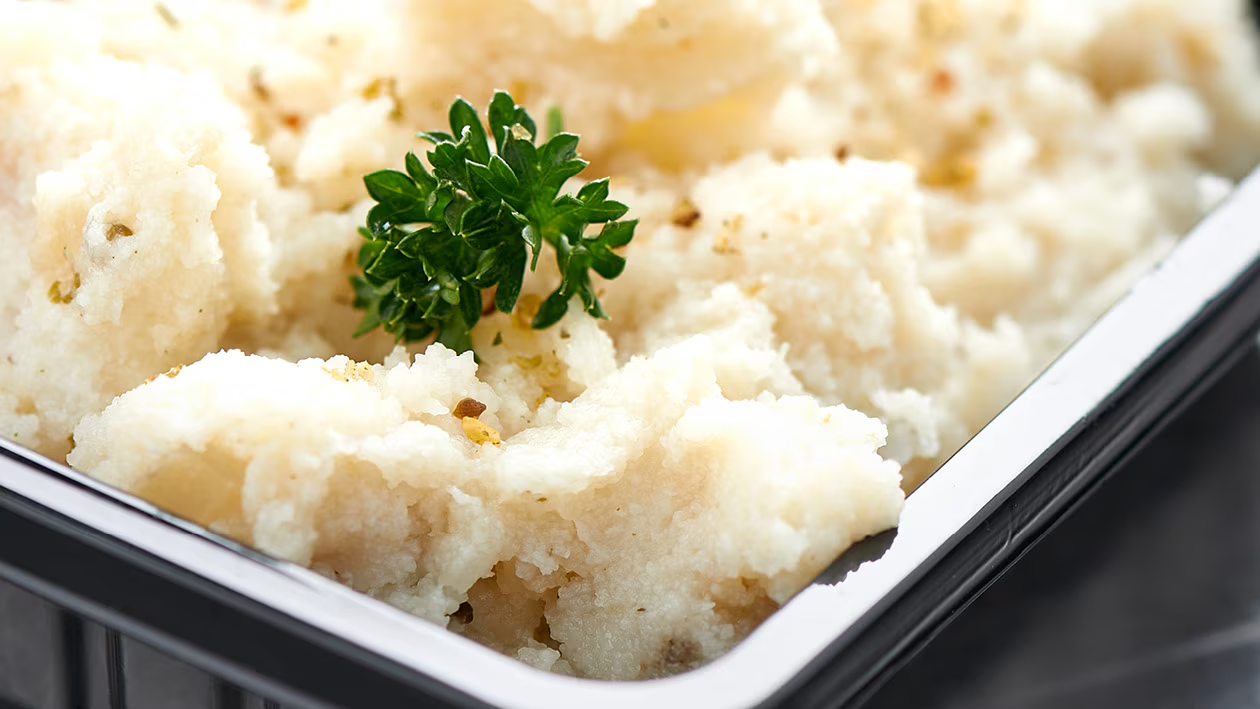
Pap: A Versatile Porridge at the Heart of Southern African Cuisine

nordic-circus.org – Pap, a simple yet deeply ingrained staple food in Southern Africa, is a porridge made from maize meal (ground corn). Similar to grits in the American South, pap boasts a remarkable versatility, adapting seamlessly to various meals and culinary traditions across countries like South Africa, Namibia, Botswana, and Lesotho. From a humble breakfast to a substantial side dish, pap holds a significant place in the region’s food culture.   

Origins and Cultural Significance

The origins of pap are intertwined with the introduction of maize to Southern Africa. Maize, originating in Mesoamerica, arrived on the continent centuries ago and quickly became a staple crop due to its adaptability and high yields. As maize cultivation spread, pap emerged as a simple and effective way to utilize this abundant grain.   

Pap’s cultural significance extends beyond its nutritional value. It is a food of the people, enjoyed across various socioeconomic groups and playing a role in both everyday meals and special occasions. It is often associated with communal eating, fostering a sense of togetherness and shared experience. In some cultures, pap is even used in traditional ceremonies and rituals. Its simplicity and affordability have made it a cornerstone of Southern African cuisine, contributing to its enduring popularity.   

Preparing Pap: A Spectrum of Textures

One of pap’s defining characteristics is its versatility in texture. It can range from a thin, runny porridge to a thick, stiff consistency, each variation serving a different culinary purpose.   

  1. Soft Pap (Slap Pap/Stywe Pap): This is the runnier version, often enjoyed for breakfast. It is prepared by adding maize meal to boiling water and cooking until it reaches a smooth, porridge-like consistency. The ratio of maize meal to water determines the final thickness.   

  2. Medium Pap (Mieliepap/Putu Pap): This is a slightly thicker consistency, suitable for accompanying stews and relishes. It is prepared similarly to soft pap but with a higher ratio of maize meal to water, resulting in a thicker, more substantial porridge.

  3. Stiff Pap (Stywe Pap/Phutu): This is the thickest version, often served as a side dish or even grilled. It requires a higher proportion of maize meal and is cooked until it becomes very firm and almost dough-like.   

General Preparation Steps:

  • Boiling the Water: Water is brought to a rolling boil in a heavy-bottomed pot.
  • Adding the Maize Meal: The maize meal is gradually added to the boiling water while stirring continuously with a whisk or wooden spoon to prevent lumps from forming.   
  • Cooking and Stirring: The mixture is cooked over medium to low heat, stirring regularly until it reaches the desired consistency. The cooking time varies depending on the desired thickness.   
  • Seasoning: Pap is often seasoned with salt during cooking. Some people also add butter or milk for extra richness.

Serving and Accompaniments

Pap’s versatility extends to its pairings. It can be enjoyed with a wide range of accompaniments, making it suitable for breakfast, lunch, or dinner.

  • Breakfast: Soft pap is often enjoyed with milk, sugar, butter, or jam.
  • Lunch and Dinner: Medium and stiff pap are typically served with savory accompaniments, such as:
    • Chakalaka: A spicy vegetable relish made with beans, onions, tomatoes, and spices.   
    • Sheba (Tomato and Onion Gravy): A simple but flavorful gravy made with tomatoes, onions, and spices.   
    • Meat Stews: Various meat stews, such as beef, chicken, or mutton stew.   
    • Braai (Barbecue): Pap is a popular accompaniment to braai, often served with grilled meat and salads.   
    • Boerewors: A traditional South African sausage.   

Nutritional Value and Health Considerations

Pap is a good source of carbohydrates, providing energy. It also contains some fiber, particularly if whole grain maize meal is used. However, it is relatively low in other essential nutrients. Therefore, it’s important to consume pap as part of a balanced diet that includes a variety of other foods, such as vegetables, fruits, and protein sources.   

The type of maize meal used can also impact the nutritional value. Whole grain maize meal is higher in fiber and other nutrients compared to refined maize meal.   

Regional Variations and Terminology

While the basic concept of pap remains consistent across Southern Africa, there are some regional variations in terminology and preparation methods.

  • In South Africa, it is commonly known as pap or mieliepap.   
  • In other regions, it may be referred to by different names, such as phutu or uphuthu.
  • Different regions may also have their own unique variations on accompaniments and serving styles.

Pap’s Enduring Appeal

Pap’s enduring popularity in Southern Africa speaks to its versatility, affordability, and cultural significance. It is a food that transcends social boundaries, enjoyed by people from all walks of life. From a simple breakfast to a hearty meal, pap continues to be a staple food, representing the heart of Southern African cuisine and connecting generations through shared culinary traditions.

Mexican Street Food: A Journey Through Tacos and Tostadas

nordic-circus.org – Mexican street food is a vibrant tapestry of flavors, colors, and traditions that has captivated the palates of food enthusiasts around the world. Among the myriad of offerings, tacos and tostadas stand out as quintessential examples of this culinary art form. These simple yet profound dishes are not just about the food; they are about the experience, the culture, and the people behind them.

The Humble Taco: A Versatile Canvas

The taco is perhaps the most iconic representation of Mexican street food. Its simplicity belies its versatility. A taco consists of a small hand-sized corn or wheat tortilla, topped with a filling. This filling can range from grilled meats like carne asada or al pastor to vegetarian options like nopales (cactus paddles) or mushrooms. The beauty of the taco lies in its ability to showcase a variety of ingredients, allowing for endless combinations and interpretations.

The Art of the Fillings

The fillings are where the magic happens. Each region in Mexico has its own specialty, from the citrus-marinated pork of Yucatán’s cochinita pibil to the spicy chorizo of Oaxaca. The key to a great taco is the balance of flavors and textures. The meat should be tender, the vegetables fresh, and the seasoning spot-on.

The Role of Toppings

No taco is complete without its toppings. Cilantro, onions, and lime wedges are the classic accompaniments, but the options are as diverse as the fillings themselves. Salsas, ranging from mild and fruity to fiery and smoky, add another layer of flavor. Cheese, avocado, and radishes are also popular, each bringing their own unique taste and texture to the mix.

Tostadas: A Crunchy Counterpart

Tostadas are another cornerstone of Mexican street food. They are essentially open-faced tacos, with a crispy, flat fried tortilla base that serves as a sturdy platform for a variety of toppings. The tortilla is usually fried until it is stiff and golden, providing a satisfying crunch with every bite.

The Versatility of Tostadas

Like tacos, tostadas can be topped with an array of ingredients. Ceviche, a marinated seafood dish, is a popular choice, as are beans, lettuce, and crema for a vegetarian option. The toppings are often layered, with a base of refried beans or guacamole, followed by the main ingredient, and finished with garnishes like cheese, sour cream, and salsa.

Regional Variations

Tostadas, like tacos, have regional variations. In Baja California, for example, fish tostadas are a staple, featuring fresh fish marinated in lime juice and spices, topped with cabbage, pico de gallo, and a creamy sauce. In other parts of Mexico, you might find tostadas topped with chicken, beef, or even insects like chapulines (grasshoppers) in Oaxaca.

The Cultural Significance of Tacos and Tostadas

Beyond their deliciousness, tacos and tostadas are deeply embedded in Mexican culture. They are a symbol of street-level entrepreneurship, with vendors often passing down their recipes and techniques through generations. These dishes also bring people together, whether it’s friends gathering at a taquería or families celebrating with a homemade tostada bar.

Conclusion

Mexican street food, with its emphasis on tacos and tostadas, is more than just a meal; it’s a cultural experience. It’s a testament to the creativity and resourcefulness of the Mexican people, who have turned simple ingredients into a global culinary phenomenon. Whether you’re sampling tacos al pastor in Mexico City or creating your own tostada bar at home, you’re participating in a rich tradition that continues to evolve and inspire.

The Risky and Pricey Delicacy of Japan: Fugu

Fugu, the Japanese pufferfish, is a culinary experience that embodies the essence of Japanese cuisine: precision, tradition, and a deep respect for nature. However, this delicacy is not for the faint-hearted. It is a dish that balances on the knife-edge of risk and reward, where the line between a sublime taste sensation and potential peril is razor-thin.

The allure of fugu lies in its delicate flavor and unique texture, which can be found in various preparations, from sashimi to hot pot. Yet, it is the fish’s deadly poison, tetrodotoxin, that makes it one of the world’s most notorious delicacies. This toxin, which is found in the fish’s organs, is 1,200 times more poisonous than cyanide and can be lethal if ingested. Therein lies the risk: a single mistake in preparation can be fatal.

The preparation of fugu is a meticulous process that requires years of training. Chefs must undergo rigorous apprenticeships and pass a series of exams to earn a fugu-preparation license. This certification ensures that they have mastered the art of removing the toxic parts of the fish without tainting the edible flesh. Despite these precautions, accidents do happen, and there have been cases of poisoning, though they are rare.

The price of fugu reflects its status as a luxury item and the expertise required to prepare it safely. A meal can cost hundreds of dollars, with the cost varying depending on the season, the part of the fish served, and the restaurant’s prestige. The most prized part of the fugu is its liver, which was banned for consumption in Japan in 1984 due to its high toxicity. However, some restaurants still serve it illegally, adding an element of danger for those willing to take the risk.

Fugu’s popularity has grown beyond Japan, with sushi lovers around the world seeking out the experience. Yet, it remains a controversial dish, with debates over whether the thrill of eating something so dangerous is worth the potential consequences. For many, the thrill is part of the appeal, a chance to flirt with danger in a controlled environment.

The cultural significance of fugu extends beyond its status as a delicacy. It is a symbol of Japanese culinary tradition and the country’s relationship with the sea. Fugu has been a part of Japanese cuisine for centuries, with records dating back to the 16th century. Despite its risks, fugu has been embraced as a national treasure, a testament to the skill of Japanese chefs and the adventurous spirit of those who dare to eat it.

In conclusion, fugu is more than just a meal; it is an experience that encapsulates the complexities of Japanese culture. It is a reminder of the fine line between life and death, and the lengths to which humans will go to satisfy their curiosity and their palates. For those who choose to partake, fugu offers a taste of the sublime, a brush with danger, and a story to tell. For Japan, it is a culinary tradition that continues to thrive, a testament to the country’s deep connection with its culinary heritage.