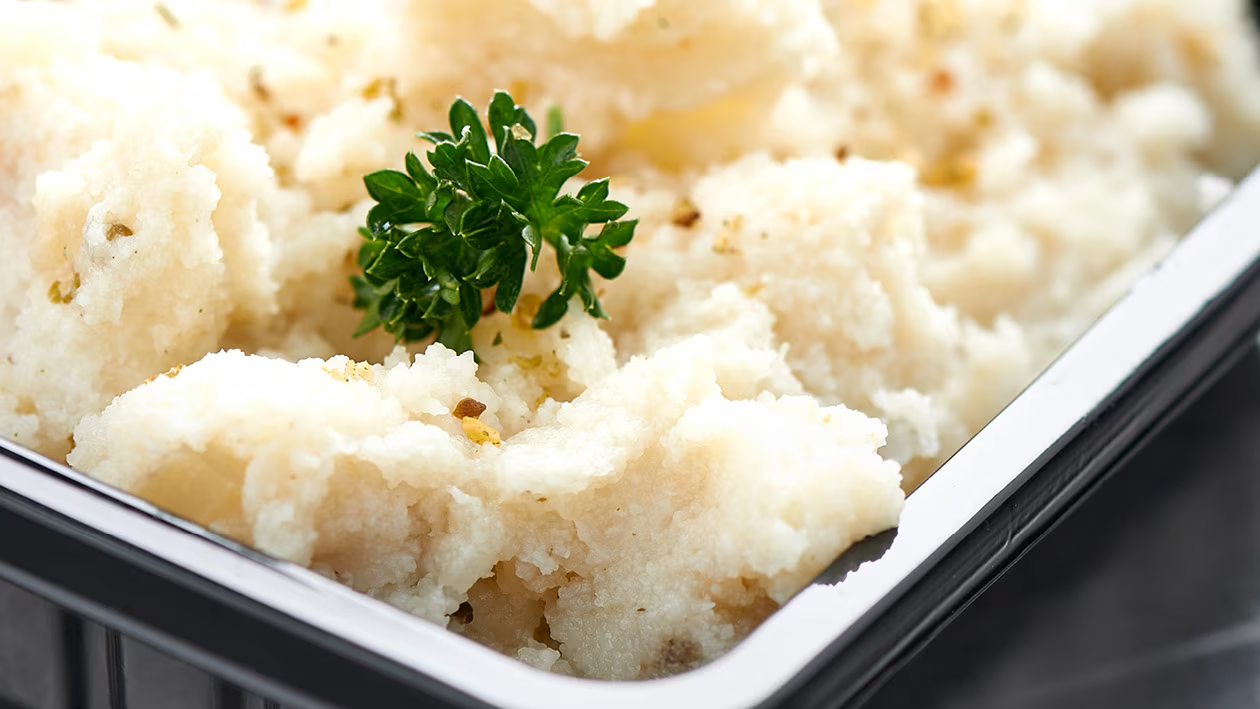
nordic-circus.org – Pap, a simple yet deeply ingrained staple food in Southern Africa, is a porridge made from maize meal (ground corn). Similar to grits in the American South, pap boasts a remarkable versatility, adapting seamlessly to various meals and culinary traditions across countries like South Africa, Namibia, Botswana, and Lesotho. From a humble breakfast to a substantial side dish, pap holds a significant place in the region’s food culture.
Origins and Cultural Significance
The origins of pap are intertwined with the introduction of maize to Southern Africa. Maize, originating in Mesoamerica, arrived on the continent centuries ago and quickly became a staple crop due to its adaptability and high yields. As maize cultivation spread, pap emerged as a simple and effective way to utilize this abundant grain.
Pap’s cultural significance extends beyond its nutritional value. It is a food of the people, enjoyed across various socioeconomic groups and playing a role in both everyday meals and special occasions. It is often associated with communal eating, fostering a sense of togetherness and shared experience. In some cultures, pap is even used in traditional ceremonies and rituals. Its simplicity and affordability have made it a cornerstone of Southern African cuisine, contributing to its enduring popularity.
Preparing Pap: A Spectrum of Textures
One of pap’s defining characteristics is its versatility in texture. It can range from a thin, runny porridge to a thick, stiff consistency, each variation serving a different culinary purpose.
-
Soft Pap (Slap Pap/Stywe Pap): This is the runnier version, often enjoyed for breakfast. It is prepared by adding maize meal to boiling water and cooking until it reaches a smooth, porridge-like consistency. The ratio of maize meal to water determines the final thickness.
-
Medium Pap (Mieliepap/Putu Pap): This is a slightly thicker consistency, suitable for accompanying stews and relishes. It is prepared similarly to soft pap but with a higher ratio of maize meal to water, resulting in a thicker, more substantial porridge.
-
Stiff Pap (Stywe Pap/Phutu): This is the thickest version, often served as a side dish or even grilled. It requires a higher proportion of maize meal and is cooked until it becomes very firm and almost dough-like.
General Preparation Steps:
- Boiling the Water: Water is brought to a rolling boil in a heavy-bottomed pot.
- Adding the Maize Meal: The maize meal is gradually added to the boiling water while stirring continuously with a whisk or wooden spoon to prevent lumps from forming.
- Cooking and Stirring: The mixture is cooked over medium to low heat, stirring regularly until it reaches the desired consistency. The cooking time varies depending on the desired thickness.
- Seasoning: Pap is often seasoned with salt during cooking. Some people also add butter or milk for extra richness.
Serving and Accompaniments
Pap’s versatility extends to its pairings. It can be enjoyed with a wide range of accompaniments, making it suitable for breakfast, lunch, or dinner.
- Breakfast: Soft pap is often enjoyed with milk, sugar, butter, or jam.
- Lunch and Dinner: Medium and stiff pap are typically served with savory accompaniments, such as:
- Chakalaka: A spicy vegetable relish made with beans, onions, tomatoes, and spices.
- Sheba (Tomato and Onion Gravy): A simple but flavorful gravy made with tomatoes, onions, and spices.
- Meat Stews: Various meat stews, such as beef, chicken, or mutton stew.
- Braai (Barbecue): Pap is a popular accompaniment to braai, often served with grilled meat and salads.
- Boerewors: A traditional South African sausage.
Nutritional Value and Health Considerations
Pap is a good source of carbohydrates, providing energy. It also contains some fiber, particularly if whole grain maize meal is used. However, it is relatively low in other essential nutrients. Therefore, it’s important to consume pap as part of a balanced diet that includes a variety of other foods, such as vegetables, fruits, and protein sources.
The type of maize meal used can also impact the nutritional value. Whole grain maize meal is higher in fiber and other nutrients compared to refined maize meal.
Regional Variations and Terminology
While the basic concept of pap remains consistent across Southern Africa, there are some regional variations in terminology and preparation methods.
- In South Africa, it is commonly known as pap or mieliepap.
- In other regions, it may be referred to by different names, such as phutu or uphuthu.
- Different regions may also have their own unique variations on accompaniments and serving styles.
Pap’s Enduring Appeal
Pap’s enduring popularity in Southern Africa speaks to its versatility, affordability, and cultural significance. It is a food that transcends social boundaries, enjoyed by people from all walks of life. From a simple breakfast to a hearty meal, pap continues to be a staple food, representing the heart of Southern African cuisine and connecting generations through shared culinary traditions.
