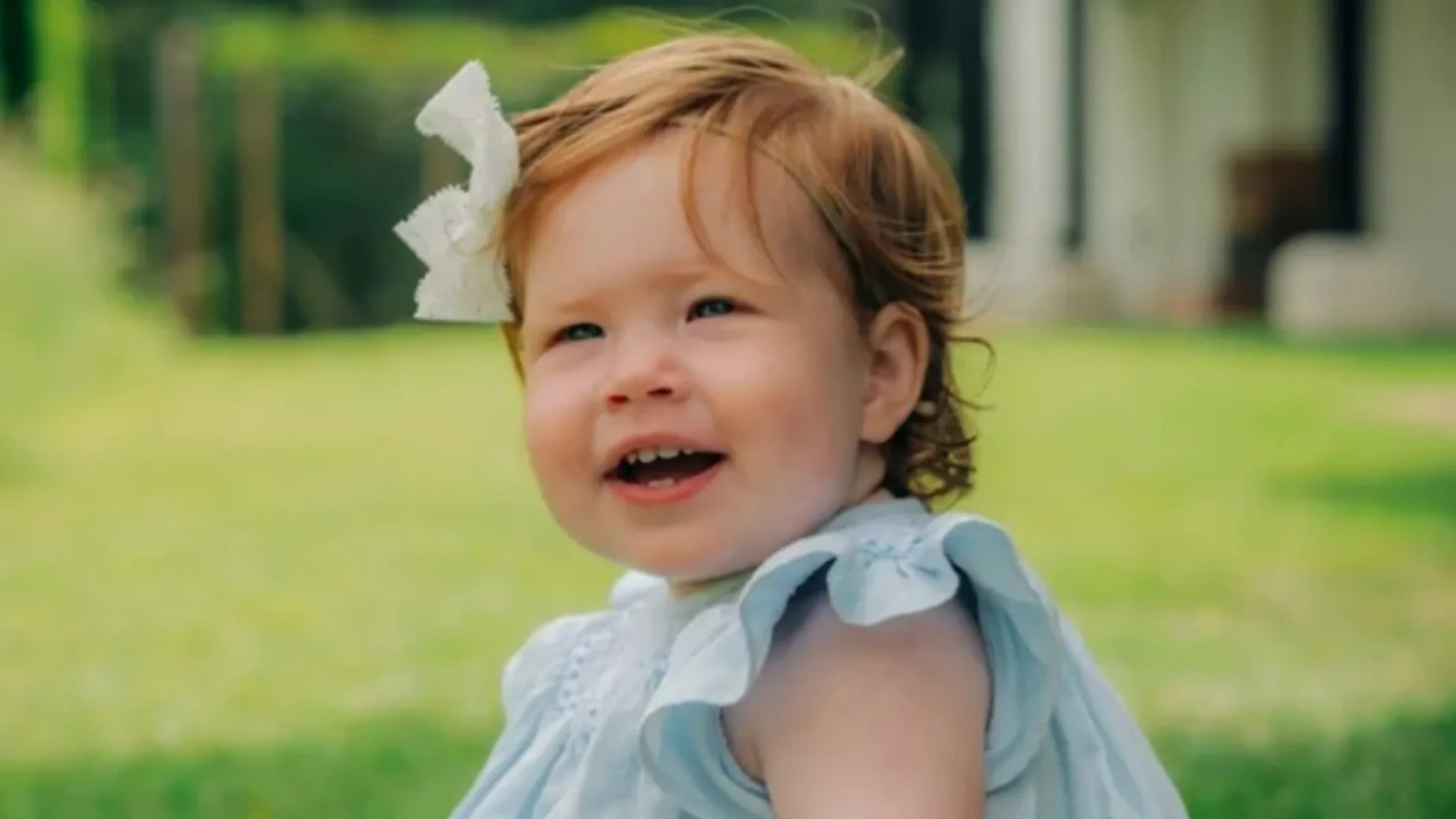
nordic-circus.org – Princess Lilibet Diana Mountbatten-Windsor, born on June 4, 2021, is the second child of Prince Harry, Duke of Sussex, and Meghan, Duchess of Sussex. Named after her great-grandmother, Queen Elizabeth II, whose family nickname was “Lilibet,” and her grandmother, Princess Diana, Lilibet’s birth represents a new chapter in the Sussex family’s story. Though she is still very young, Princess Lilibet’s presence in the royal family is already deeply significant, symbolizing both continuity and change within the monarchy.
Early Life and Family
Lilibet was born at Santa Barbara Cottage Hospital in California, making her the first royal family member to be born in the United States. As the younger sister to Prince Archie, Lilibet shares a close bond with her family and is part of the Sussexes’ efforts to provide their children with a more private and grounded upbringing, far from the constant media attention that typically surrounds royal life.
Lilibet’s arrival was met with great joy and excitement from her family, particularly as she was named in honor of two women who profoundly shaped the royal family’s legacy. The choice of her name reflected the Sussexes’ deep admiration for both Queen Elizabeth II and Princess Diana. While Lilibet’s birth marked another historic moment in the royal family’s modern history, Harry and Meghan have worked to ensure that their children’s privacy is respected and maintained, often keeping their personal lives away from public scrutiny.
Life in California: Privacy and Normalcy
Princess Lilibet, like her older brother Archie, has been raised outside the royal spotlight in California, where her parents have chosen to live a more private and independent life. This decision allows the Sussex family to enjoy the freedom of privacy and the flexibility to build their own future without the constraints of traditional royal duties.
The Sussex family has been clear about their intention to give Lilibet and Archie as normal a childhood as possible, away from the pressures and expectations associated with the British royal family. This means that Lilibet is growing up in an environment that emphasizes personal freedom, exploration, and understanding of the world, without the burdens of royal obligations. While she is still too young to make her own public appearances, Lilibet’s parents have expressed how important it is for her and Archie to experience life as children first, with a focus on their well-being and happiness.
A Symbol of the Future
Though she is still in the early stages of her life, Princess Lilibet represents a new era for the British royal family, one where tradition and modernity can coexist. Born into a family that is actively working to modernize the monarchy and redefine what it means to be a royal, Lilibet’s future is likely to reflect the values of her parents—values such as inclusivity, kindness, and a commitment to social change.
While she may not have an immediate role in royal duties due to her place in the line of succession, Lilibet’s presence marks the continuation of the royal legacy, and her upbringing could help shape the future direction of the monarchy. As part of a family that has spoken out on issues such as mental health, racial equality, and climate change, Lilibet may one day play a key role in these causes as she grows older.
Family Life: Close Bonds with Archie and Parents
As the second child of Harry and Meghan, Princess Lilibet shares a special bond with her older brother, Archie. Though both children are still young, the Sussexes have emphasized their desire to foster a strong, supportive relationship between the siblings. The couple has also been open about the joys and challenges of raising their two children and the importance of family time, focusing on giving them both a safe and loving environment.
Lilibet’s relationship with her parents is one of deep affection. Meghan and Harry have consistently expressed their commitment to being hands-on parents, offering their children love, guidance, and a sense of security as they navigate life in the public eye. Both Harry and Meghan have spoken fondly about their experiences as parents, and their love for Lilibet is clear in the way they share precious moments with their children, even if they are not often seen in the media.
Stepping Back from Royal Life
One of the key factors that distinguishes Princess Lilibet’s upbringing from that of previous generations of royals is the decision made by her parents to step back from their official duties within the royal family. In 2020, Prince Harry and Meghan made the unprecedented choice to scale back their roles as senior members of the royal family, allowing them to focus on building an independent life for their family.
This decision has allowed Lilibet and her brother Archie to grow up without the intense public scrutiny that often accompanies royal life. While the family remains connected to various charitable causes and social justice initiatives, Harry and Meghan have emphasized the importance of creating space for their children to experience the world outside the royal bubble. Lilibet’s life, therefore, will likely be shaped by her parents’ commitment to creating a balance between their public duties and private lives.
The Future of Princess Lilibet
As Princess Lilibet grows older, it is likely that she will carve out her own path, separate from the royal family’s traditional role. While she may not be expected to take on formal royal duties, Lilibet’s future will likely be defined by the same principles that have guided her parents: empathy, activism, and a commitment to making the world a better place.
Lilibet will also grow up in a world that is increasingly interconnected, with opportunities to engage in a wide range of causes. She may choose to champion particular issues, just as her parents have focused on mental health, gender equality, and racial justice. The freedom that comes with her parents’ decision to step back from royal life could allow Lilibet the space to pursue her passions, contribute to her community, and continue the legacy of kindness and positive change that her family has worked so hard to build.
A Bright Future Ahead
Princess Lilibet of Sussex may only be a child, but her impact on the royal family and the world is already beginning to take shape. As a young royal who has already made history through her name and her family’s choices, Lilibet is a symbol of the future—a future where the monarchy is both rooted in tradition and evolving to meet the challenges of a changing world.
Though Lilibet’s role within the royal family may be different from that of previous generations, her upbringing, grounded in love, compassion, and social change, will no doubt prepare her to be a force for good in the world. With the support of her parents, brother, and an ever-evolving world, Princess Lilibet will likely play a key part in shaping the future of the royal family, continuing to build on the legacy of her namesakes, Queen Elizabeth II and Princess Diana, while embracing her own unique journey.

