Grading and Valuing Diamonds: The Diamond Standard

nordic-circus.org – Diamonds have long been a symbol of luxury, love, and lasting commitment. Their timeless allure and rarity have made them one of the most sought-after gemstones in the world. However, not all diamonds are created equal. The value of a diamond is determined by a complex system of grading that assesses its quality and rarity. Understanding the diamond standard is crucial for anyone looking to purchase or invest in these precious stones.

The 4Cs of Diamond Grading

The foundation of diamond grading is based on the 4Cs: Carat, Cut, Clarity, and Color. These characteristics are the universal criteria used by gemologists to evaluate and grade diamonds.

Carat

Carat refers to the weight of the diamond. One carat is equivalent to 200 milligrams. It’s important to note that carat weight alone does not determine the value of a diamond. Two diamonds of the same carat weight can have vastly different values based on their other characteristics.

Cut

The cut of a diamond is often considered the most critical of the 4Cs because it significantly impacts a diamond’s brilliance and fire. A well-cut diamond will reflect light beautifully, resulting in a dazzling sparkle. The cut is not to be confused with the shape; it refers to the diamond’s proportions, symmetry, and polish.

Clarity

Clarity refers to the presence of inclusions (internal flaws) and blemishes (external flaws) within a diamond. Diamonds are formed under extreme heat and pressure, which can result in unique characteristics within the stone. The fewer inclusions and blemishes, the higher the clarity grade and, typically, the more valuable the diamond.

Color

Most diamonds have a hint of color, ranging from yellow to brown. The closer a diamond is to being colorless, the more valuable it is. The Gemological Institute of America (GIA) grades diamond color on a scale from D (colorless) to Z (light yellow or brown).

The Role of Gemological Institutes

To ensure consistency and reliability in diamond grading, gemological institutes such as the GIA, the International Gemological Institute (IGI), and the American Gem Society (AGS) provide independent and standardized grading reports. These reports are essential for buyers as they offer an unbiased assessment of a diamond’s quality.

Factors Influencing Diamond Value

Beyond the 4Cs, other factors can influence the value of a diamond, including its fluorescence, the reputation of the jeweler, and the current market demand. Fluorescence is the diamond’s tendency to emit a glow under ultraviolet light, which can affect its appearance.

The Importance of Ethical Sourcing

In recent years, there has been a growing awareness of the ethical implications of diamond sourcing. Consumers are increasingly seeking conflict-free diamonds, which are those that are not mined in war zones or areas where the mining violates human rights. Certification programs such as the Kimberley Process aim to prevent conflict diamonds from entering the legitimate market.

Conclusion

The diamond standard provides a framework for understanding the quality and value of diamonds. By familiarizing yourself with the 4Cs and the role of gemological institutes, you can make informed decisions when purchasing a diamond. Remember, the value of a diamond is not just in its rarity and beauty but also in the ethical considerations of its sourcing. Whether you’re buying an engagement ring, an investment piece, or a gift, understanding the diamond standard will help you appreciate the true worth of this precious gemstone.
Cultural Standards Around the World: Sculpting Beauty

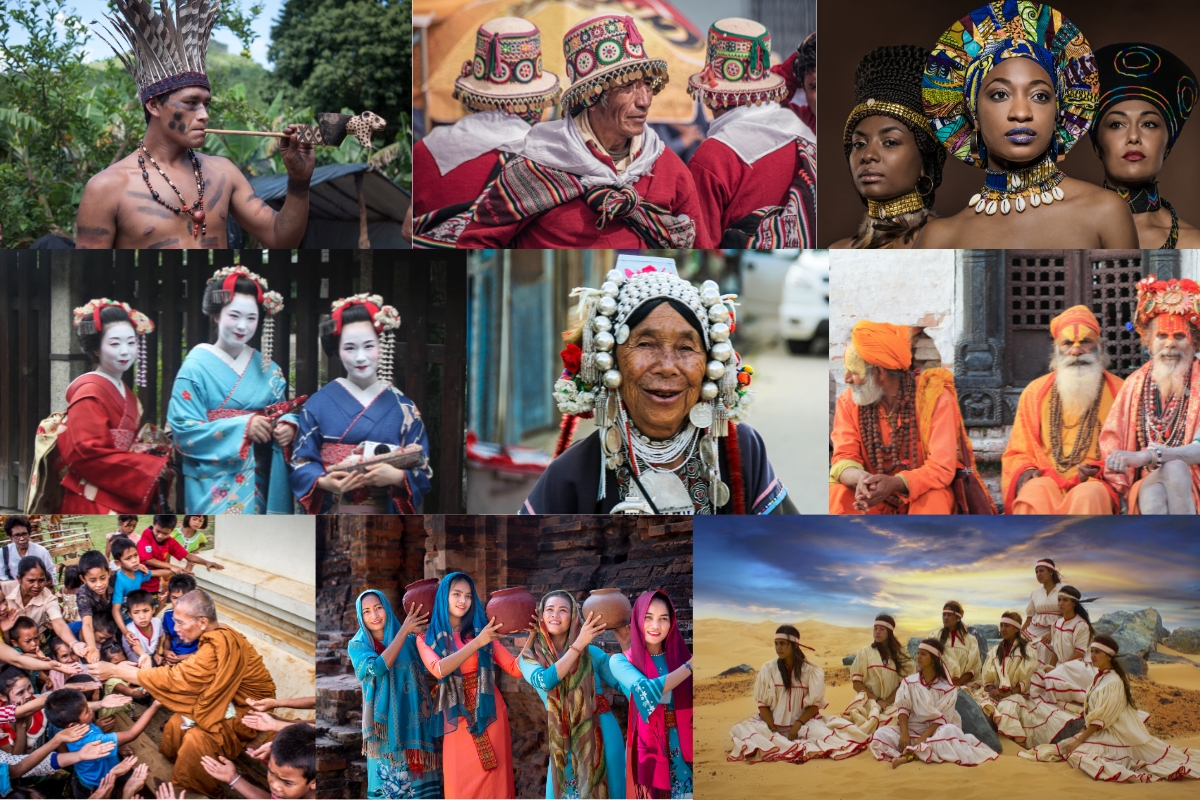
nordic-circus.org – Beauty is a concept that has fascinated humanity since ancient times. It is a multifaceted notion that encompasses not only physical appearance but also personality, morality, and cultural values. The standards of beauty, however, are not universal; they vary greatly across different cultures and time periods. This article explores the diverse cultural standards of beauty around the world, highlighting how these ideals shape societal norms and individual perceptions of attractiveness.

The Evolution of Beauty Standards

Throughout history, the concept of beauty has evolved significantly. In ancient Greece, for example, a symmetrical face and a well-proportioned body were considered the pinnacle of beauty. During the Renaissance, the ideal beauty was characterized by a fuller figure, which symbolized wealth and fertility. In contrast, the 20th century saw a shift towards thinner body types, influenced by fashion and media.

Beauty Standards in Different Cultures

East Asia: The Pursuit of Pale Skin

In East Asian countries like China, Japan, and Korea, pale skin has long been associated with beauty. This standard dates back to ancient times when fair skin was a sign of high social status, as it indicated that a person did not have to work outdoors in the sun. Today, the beauty industry in these countries thrives on products that promise to lighten and brighten the skin.

Africa: The Celebration of Curves

In many African cultures, curves are celebrated as a symbol of beauty and fertility. Women with fuller figures are often considered more attractive. This is in stark contrast to the Western ideal of thinness. African beauty standards also emphasize natural hair and skin, with a variety of hairstyles and textures being appreciated.

South America: The Value of Voluptuousness

In countries like Brazil and Venezuela, beauty is often equated with voluptuousness. Women with hourglass figures are idealized, and there is a significant emphasis on physical appearance. This has led to a booming cosmetic surgery industry, with procedures like buttock augmentation being particularly popular.

The Middle East: The Art of Henna and Hijab

In Middle Eastern cultures, beauty is expressed through art forms like henna and the wearing of the hijab. Henna is used to create intricate designs on the hands and feet for special occasions, while the hijab is a symbol of modesty and elegance. The Middle Eastern beauty standard also values clear skin and well-groomed eyebrows.

The Impact of Globalization on Beauty Standards

With the advent of globalization and the rise of social media, beauty standards are becoming increasingly homogenized. Western ideals of beauty, propagated by Hollywood and the fashion industry, are influencing cultures around the world. This has led to a debate about the loss of cultural diversity in beauty standards and the pressure on individuals to conform to a narrow definition of attractiveness.

Conclusion

Beauty is a cultural construct that reflects the values and ideals of a society. While there are universal elements of beauty, such as symmetry and proportion, the specific standards vary greatly from one culture to another. As the world becomes more interconnected, it is important to recognize and respect the diverse beauty standards that exist. By doing so, we can celebrate the rich tapestry of human culture and promote a more inclusive understanding of beauty.