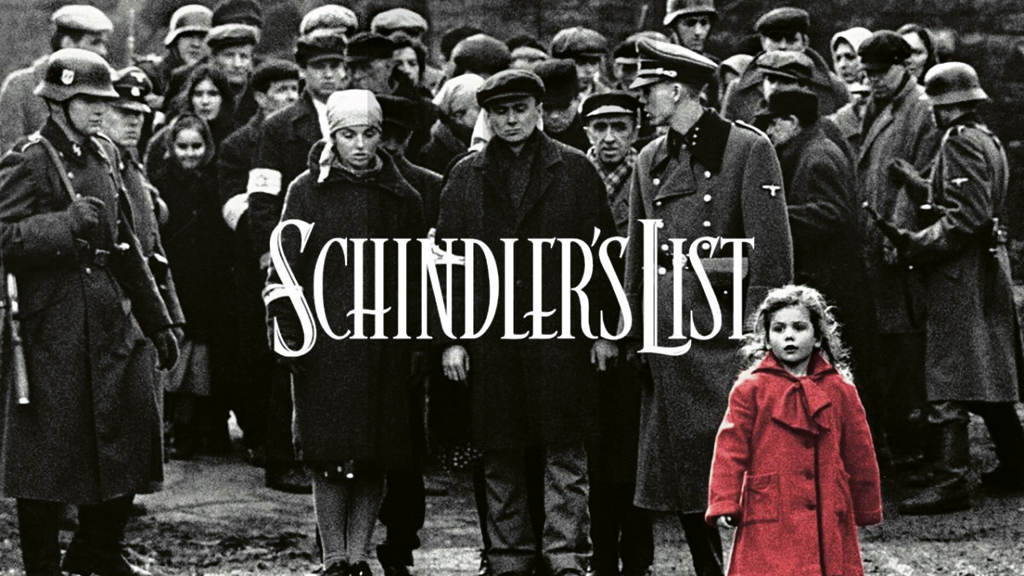
Schindler’s List: A Testament to Humanity

nordic-circus.org – “Schindler’s List,” directed by Steven Spielberg and released in 1993, is a powerful historical drama that depicts the true story of Oskar Schindler, a German businessman who saved the lives of over a thousand Polish Jews during the Holocaust. The film is based on the novel “Schindler’s Ark” by Thomas Keneally and is renowned for its stark portrayal of one of history’s darkest periods.

The Story of Oskar Schindler

A Businessman Turned Savior

Oskar Schindler, portrayed by Liam Neeson, is initially depicted as an opportunistic businessman who seeks to profit from World War II by employing Jewish labor in his enamelware factory in Kraków, Poland. However, as the horrors of the Holocaust unfold, Schindler’s motivations shift from profit to humanity.

The Creation of “Schindler’s List”

Schindler’s transformation is marked by his decision to protect his Jewish workers from deportation to concentration camps. With the help of his Jewish accountant, Itzhak Stern (played by Ben Kingsley), Schindler creates a list of “essential” workers, ensuring their safety by moving them to a safer location. This list becomes a symbol of hope and survival.

Themes and Impact

The Holocaust and Its Atrocities

“Schindler’s List” provides an unflinching depiction of the Holocaust’s brutality, capturing the inhumanity faced by millions. The film’s black-and-white cinematography, punctuated by moments of color, serves to highlight the stark reality of the events and the moral darkness of the time.

The Moral Complexity of Choices

The film explores the theme of moral ambiguity, illustrating how individuals like Schindler, initially complicit in the system, can choose to act against evil. It raises profound questions about the nature of goodness and the capacity for change, emphasizing the impact of individual actions in the face of overwhelming adversity.

Cinematic Excellence

Steven Spielberg’s Vision

Spielberg’s direction in “Schindler’s List” is widely praised for its authenticity and emotional depth. His decision to film in black-and-white enhances the historical realism, while the minimal use of music allows the raw emotions and powerful performances to take center stage.

John Williams’ Score

The haunting score by composer John Williams, featuring the iconic violin solos by Itzhak Perlman, complements the film’s emotional narrative. The music underscores the tragedy and hope interwoven throughout the story, leaving a lasting impact on audiences.

Legacy and Recognition

Critical Acclaim and Awards

“Schindler’s List” received widespread critical acclaim and won seven Academy Awards, including Best Picture and Best Director for Spielberg. It is regarded as one of the greatest films ever made and serves as an educational tool to ensure the memory of the Holocaust is preserved.

A Lasting Influence

The film’s portrayal of courage and compassion amidst unimaginable horror continues to resonate with viewers worldwide. “Schindler’s List” stands as a poignant reminder of the capacity for humanity and the importance of standing against injustice.

Conclusion

“Schindler’s List” is more than just a film; it is a powerful testament to the resilience of the human spirit and a call for remembrance. Through its compelling storytelling and historical authenticity, it honors the memory of those who suffered while celebrating the bravery of those who dared to make a difference.

The Stories Behind the Teams: Chicago Sports Legends

nordic-circus.org – Chicago is a city that bleeds sports. With a rich history and passionate fan base, the city’s sports teams have become legendary. From the baseball diamonds to the basketball courts, Chicago’s teams have shaped the city’s identity and created unforgettable moments in sports history.

The Chicago Cubs: A Tale of Perseverance

The Chicago Cubs are one of Major League Baseball’s most storied franchises. Founded in 1876, the team has endured decades of both triumph and heartbreak. The Cubs famously broke their 108-year championship drought by winning the World Series in 2016, a victory that brought joy and relief to their dedicated fans. Wrigley Field, the team’s iconic ballpark, is a beloved Chicago landmark that embodies the spirit of perseverance and loyalty.

The Chicago White Sox: South Side Pride

On the other side of town, the Chicago White Sox have their own rich history. Established in 1900, the White Sox have been a source of pride for Chicago’s South Side. The team’s 2005 World Series victory ended an 88-year championship drought, solidifying their place in baseball history. The White Sox continue to be a symbol of resilience and determination for their fans.

The Chicago Bulls: A Dynasty in the Making

The Chicago Bulls rose to international fame in the 1990s, led by basketball legend Michael Jordan. Under the guidance of coach Phil Jackson, the Bulls won six NBA championships in eight years, creating one of the greatest dynasties in sports history. The team’s success transformed Chicago into a basketball mecca and left an indelible mark on the sport. The United Center, home of the Bulls, still echoes with the cheers for their legendary achievements.

The Chicago Blackhawks: A Hockey Tradition

The Chicago Blackhawks, founded in 1926, are one of the “Original Six” teams of the National Hockey League (NHL). The team has a rich tradition and has won six Stanley Cup championships, with three titles coming in a span of six years from 2010 to 2015. The Blackhawks’ success on the ice has solidified their status as a beloved franchise in Chicago, with passionate fans filling the United Center for every game.

The Chicago Bears: Monsters of the Midway

The Chicago Bears, established in 1919, are one of the oldest and most storied franchises in the National Football League (NFL). Known for their legendary defense, the Bears have a fierce reputation that earned them the nickname “Monsters of the Midway.” The team’s 1985 Super Bowl victory, led by Hall of Fame coach Mike Ditka, remains one of the most celebrated moments in NFL history. Soldier Field, the Bears’ home, stands as a testament to the team’s enduring legacy.

Conclusion

Chicago’s sports teams are more than just athletic organizations; they are an integral part of the city’s cultural fabric. Each team has its own unique story, filled with triumphs, trials, and unforgettable moments that have captivated fans for generations. Whether it’s baseball, basketball, hockey, or football, Chicago’s sports legends continue to inspire and unite the city in a shared love of the game.

Creating the Monstrous: How Writers Craft Scary Creatures

The art of crafting scary creatures is a delicate balance between the familiar and the unknown, the psychological and the physical. Writers and filmmakers have long been fascinated with the creation of monstrous entities that captivate and terrify audiences. These creatures are not just random assortments of horrifying features; they are carefully constructed to evoke deep-seated fears and explore the darker aspects of the human psyche. In this article, we will delve into the process of creating the monstrous, examining the techniques and considerations that go into designing creatures that haunt our imaginations.

The Psychology of Fear

At the heart of creating a scary creature is an understanding of what truly frightens people. Psychological horror often plays on primal fears such as the fear of the unknown, the fear of death, or the fear of losing control. Writers and filmmakers tap into these fears by creating creatures that embody these anxieties. For example, the creature in “Alien” by H.R. Giger is a terrifying amalgamation of sexual and predatory imagery, playing on deep-seated fears of violation and consumption.

The Role of Mythology and Folklore

Many creators draw inspiration from mythology and folklore, which are rich with monstrous entities. These ancient stories often contain archetypal monsters that have stood the test of time, such as vampires, werewolves, and demons. By reinterpreting these myths, writers and filmmakers can create creatures that resonate with modern audiences while still retaining the essence of what made them frightening in the first place. For instance, Bram Stoker’s Dracula is a reimagining of the vampire myth that has influenced countless interpretations in literature and film.

The Importance of Design

The visual design of a creature is crucial in making it scary. Filmmakers and special effects artists work closely with writers to bring these creatures to life. The design process involves considering the creature’s environment, its method of attack, and its origin story. The creature’s appearance should not only be horrifying but also believable within the context of the story. The Xenomorph from the “Alien” franchise, for example, was designed to look like a living weapon, with its sleek, biomechanical appearance reflecting its lethal nature.

The Use of Sound and Music

Sound design and music play a significant role in amplifying the terror of a creature. The right sound effects can make a creature’s presence felt even when it’s not on screen, while a chilling musical score can heighten tension and fear. The shrieking sound of the velociraptors in “Jurassic Park” or the eerie music that accompanies the shark in “Jaws” are prime examples of how sound can be used to create an atmosphere of dread.

The Power of Suggestion

Sometimes, the most terrifying creatures are those that are only partially seen or left to the imagination. The use of shadows, quick cuts, and limited visibility can make a creature more frightening than a full reveal. This technique allows the audience’s imagination to fill in the blanks, often conjuring up something more horrifying than any special effect could achieve. The Blair Witch Project is a classic example of a film that uses suggestion to create an unseen monster that is all the more terrifying for its ambiguity.

The Emotional Connection

Finally, to truly resonate with an audience, a creature must have an emotional impact. This can be achieved by giving the creature a tragic backstory, humanizing it in some way, or making it a reflection of the protagonist’s inner turmoil. By creating an emotional connection, writers and filmmakers can elevate the creature from a mere monster to a complex character that audiences both fear and empathize with. The character of Pennywise in Stephen King’s “It” is a masterclass in this approach, as the creature feeds on the fears of its child victims, making it both a literal and metaphorical manifestation of their deepest anxieties.

In conclusion, creating a scary creature is a multifaceted process that requires a deep understanding of human psychology, a respect for mythology and folklore, a keen eye for design, a mastery of sound and music, a strategic use of suggestion, and an ability to forge emotional connections. Writers and filmmakers who can skillfully blend these elements are the ones who will leave a lasting impression on audiences, crafting monsters that continue to haunt our collective nightmares long after the credits roll.